
57th Street Antique Mall is a long-standing multi-dealer antique mall in East Sacramento, serving as a reliable in-person destination for shoppers who value curated antiques and vintage finds. As part of the broader network featured on Antique Stores Near Me, it represents the classic brick-and-mortar antique mall model, where independent vendors operate under one professionally managed roof. The mall brings together dozens of vendor booths specializing in antiques, vintage décor, and collectible goods, creating a layout designed for browsing and visual discovery rather than fast retail turnover. Inventory rotates regularly, which encourages repeat visits and makes each trip feel different from the last. Within the wider landscape of antique stores in California, 57th Street Antique Mall stands out for its established presence, indoor setting, and vendor-curated approach. Its physical location and consistent operation make it a practical stop for Sacramento locals, collectors, and visitors who prefer exploring antiques in person rather than shopping online.
What Is 57th Street Antique Mall?
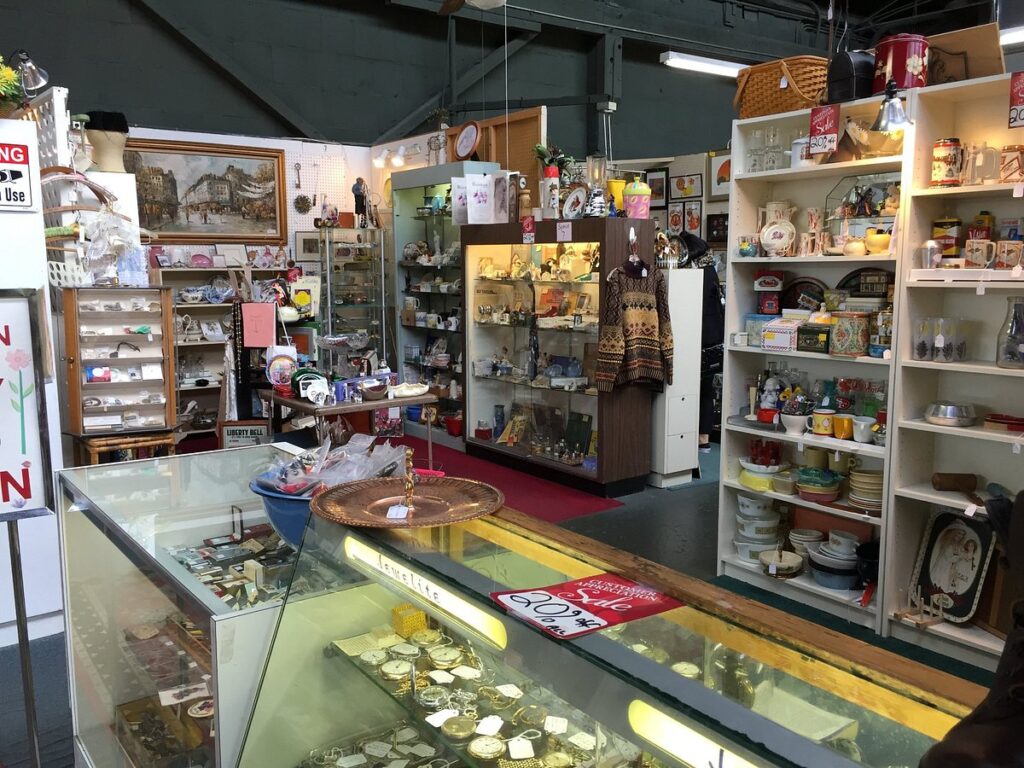
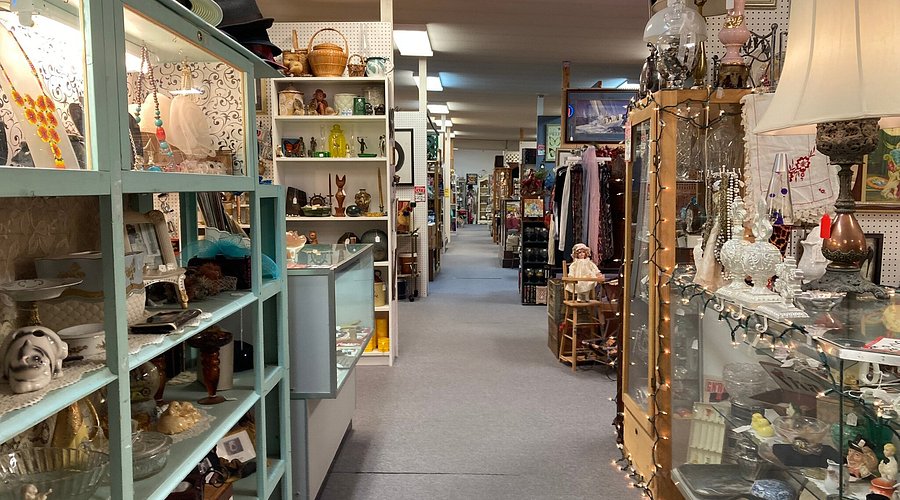
57th Street Antique Mall is a multi-dealer antique mall operating as a vendor-based, brick-and-mortar retail destination in East Sacramento. Rather than being run by a single owner or buyer, the mall brings together dozens of independent antique dealers who each manage their own booths or showcases within a shared indoor space. This vendor-based model shapes both the selection and the shopping experience. Each dealer independently sources, prices, and rotates their inventory, which results in a wide mix of antiques, vintage items, and collectibles presented side by side. Because dealers restock on their own schedules, the overall inventory changes regularly, encouraging repeat visits and extended browsing.
Key Characteristics of the Mall
- Multi-dealer structure
Independent vendors curate and manage their own inventory. - Permanent indoor setting
Operates year-round in a climate-controlled environment. - Rotating selection
Inventory changes as individual dealers restock their booths. - Discovery-focused layout
Booth-by-booth browsing rather than linear retail aisles. - In-person evaluation
Shoppers can closely inspect size, condition, and materials.
The mall is part of the broader 57th Street Antique and Design Center, a long-established complex that includes other antique-related businesses and services. This setting distinguishes it from temporary markets by providing consistency, professional management, and a stable retail environment designed specifically for antiques and vintage goods.
How It Compares at a Glance
| Aspect | 57th Street Antique Mall |
| Business model | Multi-dealer, vendor-based |
| Retail type | Brick-and-mortar antique mall |
| Inventory source | Dealer-curated (not donated) |
| Operating style | Permanent, year-round |
| Shopping focus | Browsing, discovery, comparison |
Importantly, 57th Street Antique Mall is not a donation-based thrift store and not a short-term flea market. Items are selected and presented by professional dealers, and the retail environment is permanent rather than event-based. This distinction defines the mall’s role as a destination for antiques, vintage goods, and collectibles valued for their age, craftsmanship, design, or historical interest.
Location & How to Get There
57th Street Antique Mall is located at 875 57th Street, Sacramento, CA 95819, in the East Sacramento area. This neighborhood is known for its established residential streets, historic homes, and proximity to everyday amenities, which makes the mall easy to visit as part of a longer local outing. The mall’s position just outside Sacramento’s central grid allows visitors to reach it without navigating dense downtown traffic. Many shoppers choose this location for its calmer surroundings, straightforward access, and the convenience of nearby services, all of which support longer, more relaxed visits.
Getting There & Parking Options
- By car
Conveniently accessed from Highway 50, particularly for visitors coming from Downtown, Midtown, or the Sacramento State area. - Parking availability
On-site parking is available, with additional street parking nearby. - Public transit
Sacramento Regional Transit (SacRT) serves the surrounding area, allowing visitors to plan bus or light-rail connections from other parts of the city. - Accessibility
The facility is wheelchair accessible, supporting visitors with mobility needs. - Pet considerations
Visitor reports commonly note that the mall is dog-friendly, though policies may vary by area and are best confirmed on arrival.
Proximity at a Glance
| Area | Approximate Travel Time |
| East Sacramento neighborhoods | ~5 minutes |
| Downtown Sacramento | ~10 minutes |
| Midtown Sacramento | ~10–15 minutes |
| Sacramento International Airport | ~20 minutes |
Because of this location, the mall is often described as easy to reach from multiple parts of Sacramento while still offering the space and accessibility that antique shoppers value. Its East Sacramento setting helps balance convenience with a quieter, neighborhood-oriented atmosphere.
Antiques, Vintage & Collectibles You Can Discover
57th Street Antique Mall offers a diverse and frequently changing selection shaped by its many independent dealers. Because inventory is curated at the booth level rather than centrally, the range of items reflects different collecting interests, sourcing styles, and historical periods. Visitors often encounter pieces spanning from earlier eras through late-20th-century vintage, with availability varying from visit to visit. This variety allows shoppers to explore multiple categories in one place. Some booths emphasize furniture and home goods, while others focus on collectibles, decorative objects, or personal accessories. The presence of many dealers also means new items appear regularly, reinforcing the mall’s reputation as a discovery-driven destination.
Furniture & Home Goods
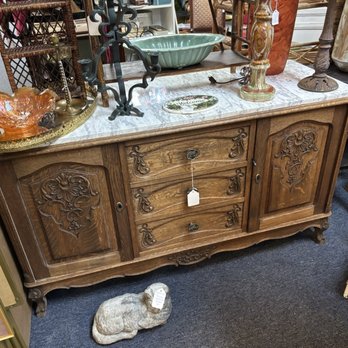
- Antique and vintage furniture
May include desks, chairs, bookcases, cabinets, and storage pieces. - Mid-century and retro styles
Often associated with functional forms and wood-based construction. - Lighting and décor
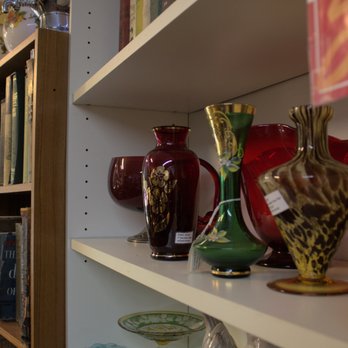
Lamps, wall décor, mirrors, framed art, and decorative plates. - Glassware and kitchen items
Frequently feature vintage glass, Pyrex, pottery, and serving pieces.
Collectibles, Media & Memorabilia
- Collectibles
Items such as cast iron pieces, toys, figurines, and themed décor. - Books and paper goods
Vintage books, postcards, and other printed ephemera. - Media
Vinyl records and related music collectibles appear in select booths. - Nostalgic objects
Memorabilia tied to everyday life from past decades.
Fashion, Jewelry & Personal Accessories
- Vintage clothing and accessories
Select booths may feature retro garments, handbags, and textiles. - Jewelry
Costume jewelry is commonly represented, with occasional estate-style pieces.
Inventory Overview at a Glance
| Category | Common Examples |
| Furniture | Desks, chairs, cabinets, bookcases |
| Home Décor | Lamps, artwork, wall décor |
| Glass & Pottery | Vintage glass, Pyrex, ceramics |
| Collectibles | Toys, cast iron, memorabilia |
| Media | Vinyl records, books |
| Jewelry & Fashion | Costume jewelry, accessories |
Because inventory is dealer-curated and rotates regularly, selection can differ significantly between visits. This structure supports both casual browsing and focused collecting, allowing visitors to explore multiple categories while remaining open to unexpected finds.
The Shopping Experience: Browsing & Visual Discovery
57th Street Antique Mall is built around a self-guided, discovery-oriented shopping experience that encourages visitors to browse slowly and visually rather than follow a fixed retail path. The mall’s layout supports booth-by-booth exploration, allowing shoppers to move freely between different styles, eras, and categories at their own pace. Many visitors describe the space as well-organized and visually engaging. Compared to smaller or more cluttered antique shops, the mall is often noted for being bright and navigable, which makes extended browsing more comfortable. Individual booths are arranged as small displays rather than uniform shelves, giving each area its own character and making visual contrast part of the experience.
What Defines the Browsing Experience
- Self-directed movement
Visitors choose their own route without a prescribed flow. - Booth-level presentation
Each dealer arranges items as a distinct visual display. - Leisurely pacing
The environment supports extended visits and repeat walkthroughs. - Visual discovery
Items from different eras and categories appear side by side. - Staff availability
Assistance is typically available without interrupting browsing.
The atmosphere often evokes a sense of nostalgia and exploration, as familiar objects from past decades appear alongside less expected finds. This combination of variety, visual density, and relaxed pacing contributes to the mall’s reputation as a place where visitors can spend significant time browsing without feeling rushed. Overall, the shopping experience emphasizes discovery over transactions, making it appealing to both casual browsers and collectors who value seeing, comparing, and revisiting items in person.
Pricing, Vendors & Negotiation: What to Know
57th Street Antique Mall follows a vendor-based pricing model, meaning every item is priced by the individual dealer who owns that booth. This structure directly shapes how pricing, discounts, and negotiation work inside the mall and sets clear expectations for shoppers before they arrive.
How Pricing Works in a Multi-Dealer Mall
Prices are individually tagged and generally reflect a dealer’s assessment of condition, rarity, and current market demand. Reviews and visitor feedback often describe pricing as close to market value, with some booths leaning higher due to specialization or restoration work. Because most dealers are not present on-site daily, prices at the register are typically firm at checkout. Rather than spontaneous bargaining, savings usually come through planned discount mechanisms built into the mall’s operations.
Practical Pricing & Discount Signals
- Vendor-set pricing
Each booth controls its own pricing strategy. - Firm checkout prices
Front-desk staff cannot alter prices. - Booth-specific discounts
Some vendors mark items with percentage-off signs. - Store-wide sales
Periodic sales often run on holidays or long weekends. - Rotating inventory
New arrivals may be priced differently from older stock.
Vendor Presence & Negotiation Reality
Direct negotiation is limited because vendors are usually off-site. In rare cases, staff may pass along a message to a dealer, but this is not guaranteed and should not be expected. As a result, the most reliable negotiation strategy is timing, not haggling.
| Aspect | What Shoppers Should Know |
| Price Control | Set by individual vendors |
| Negotiation | Rare, indirect, not guaranteed |
| Best Savings Method | Store-wide or booth-marked sales |
| Vendor Availability | Usually off-site |
| Checkout Authority | Central desk, no price changes |
Smart Shopping Tips
Understanding this structure helps visitors shop confidently. Checking for discount signage, visiting during advertised sales, and comparing similar items across booths are often more effective than attempting negotiation. If a price does not align with expectations, walking away is a normal part of the antique-buying process. This approach keeps the experience transparent, low-pressure, and consistent with how established multi-dealer antique malls operate.
Thrift Store or Flea Market? How It’s Different
57th Street Antique Mall is frequently compared to thrift stores and flea markets, but it operates within a distinct retail category with different sourcing, pricing logic, and shopper expectations. Understanding these differences helps visitors decide whether the mall matches what they are looking for. At its core, an antique mall is a curated, dealer-driven environment. Items are intentionally sourced, researched, and priced by independent vendors who treat their booths as small businesses rather than donation outlets or temporary stalls.
Antique Mall vs. Thrift Store vs. Flea Market
| Factor | Antique Mall | Thrift Store | Flea Market |
| Inventory Source | Dealer-owned, curated | Public donations | Mixed sellers |
| Pricing Method | Vendor-researched pricing | Low, volume-based | Highly negotiable |
| Location Type | Permanent indoor space | Permanent indoor | Temporary / event-based |
| Shopping Style | Slow browsing & comparison | Dig-and-discover | Fast-paced bargaining |
| Focus | Vintage & antiques | Used household goods | Mixed goods |
Key Differences Explained
- Curation over volume
Dealers select items for age, condition, and visual appeal, not turnover speed. - Pricing reflects research
Prices are typically based on market knowledge rather than quick resale. - Permanent, organized setting
Booths are themed and visually arranged, unlike bulk racks or tables. - Limited negotiation
Unlike flea markets, prices are usually firm at checkout. - For-profit vendor model
Supports small independent dealers rather than charitable donation systems.
While thrift stores prioritize affordability and flea markets emphasize bargaining, an antique mall prioritizes intentional discovery and consistency. Shoppers who value presentation, comparison, and revisiting items over time generally find this model better suited to their needs.
Is 57th Street Antique Mall Worth Visiting?
57th Street Antique Mall is generally worth visiting for shoppers who enjoy variety, curation, and a treasure-hunt style experience rather than fast transactions or deep-discount browsing. With dozens of independent dealers under one roof, the mall offers a level of choice that is difficult to match in single-owner antique shops.
Why Many Visitors Find It Worthwhile
- Large, diverse selection
A wide range of antiques and vintage goods across many categories and eras. - Discovery-driven browsing
The booth-by-booth format rewards patience and repeat visits. - Organized, comfortable setting
Well-lit, indoor layout that makes long browsing sessions manageable. - Convenient destination
Part of a larger design center, allowing visitors to spend several hours in one area. - Potential for strong finds
While prices vary, some shoppers report finding well-priced or distinctive pieces, especially during sales.
Things to Keep in Mind
Not every visitor has the same experience. Pricing can feel uneven because each dealer sets their own prices, and some items may appear higher than online alternatives. Negotiation is limited, which may disappoint shoppers accustomed to flea markets. A small number of reviews also note mixed experiences with staff attentiveness, which can affect the browsing atmosphere.
Overall Assessment
The mall is best suited for visitors who enjoy slow exploration, visual comparison, and curated environments. Interior designers, collectors, and casual browsers with time to spare tend to get the most value from a visit. Those seeking quick bargains or heavy negotiation may find the experience less aligned with their expectations.
Frequently Asked Questions About 57th Street Antique Mall
What is 57th Street Antique Mall?
57th Street Antique Mall is a long-established multi-dealer antique mall in East Sacramento. It brings together more than 70 independent vendor booths in a single, indoor location, offering curated antiques, vintage furniture, collectibles, and décor across many eras.
What are the hours of operation?
The mall is closed on Mondays and open the rest of the week. Because daily hours can change for holidays or special events, visitors should check the mall’s Google Business Profile or map listings for the most up-to-date information before visiting.
Is parking available?
Yes. The mall provides free on-site parking in a dedicated lot, along with additional street parking throughout the surrounding East Sacramento neighborhood. This makes it convenient for visitors purchasing larger items.
Is the mall accessible and pet-friendly?
Yes. The mall is wheelchair accessible, including accessible parking and interior access between levels. It is also dog-friendly, welcoming well-behaved, leashed pets.
What kind of items will I find inside?
As a multi-dealer antique mall, inventory rotates frequently. Shoppers commonly find vintage furniture, antique collectibles, jewelry, glassware, pottery, artwork, books, records, and decorative pieces spanning multiple historical periods.
Can I negotiate on prices?
Prices are set by individual vendors and are typically firm at the central checkout, which is standard for multi-dealer antique malls. The best opportunities for discounts are during store-wide sales events or at booths displaying vendor-marked promotions.
What payment methods are accepted?
The central checkout accepts major credit cards, debit cards, and mobile payments, allowing shoppers to purchase items from multiple vendors in a single transaction.
What is the return policy?
Due to the unique and often one-of-a-kind nature of antiques and vintage items, all sales are final. Shoppers are encouraged to inspect items carefully before completing a purchase.
How is this different from a thrift store or flea market?
Unlike donation-based thrift stores or temporary flea markets, this is a permanent, brick-and-mortar antique mall. Each vendor booth is curated by a specialist, focusing on collectible and vintage items rather than bulk secondhand goods.
Is it worth visiting for tourists or casual browsers?
Yes. The mall is widely regarded as a local antique destination, appealing to serious collectors, interior designers, and casual visitors alike. Its layout and variety make it suitable for both purposeful shopping and relaxed browsing.


