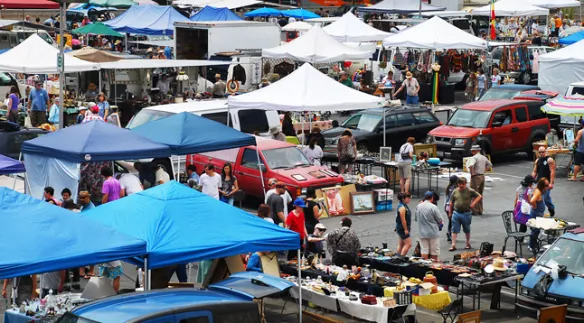
Located along Alondra Boulevard in Santa Fe Springs, California, Santa Fe Springs Swap Meet is a long-running, fixed-location flea market known for its large multi-vendor layout and active weekend atmosphere. Situated in Los Angeles County’s Gateway Cities region, the swap meet serves as a regional shopping and gathering spot for nearby communities such as Norwalk, Downey, Whittier, and La Mirada.
The marketplace operates as an open-air environment where independent sellers offer rotating merchandise that may include vintage décor, retro collectibles, and antique-adjacent items mixed among everyday goods. Inventory changes frequently, making each visit different and encouraging casual browsing alongside focused bargain hunting.
Beyond shopping, the swap meet functions as a community space that blends commerce, food vendors, and live entertainment into a distinctly Southern California flea market experience—appealing to families, collectors, and local shoppers alike.
What Is Santa Fe Springs Swap Meet?
The Santa Fe Springs Swap Meet is a fixed-location swap meet and flea market operating as a permanent local business in Santa Fe Springs, California. It functions as an open-air, multi-vendor marketplace where independent sellers rent individual spaces, resulting in frequently changing merchandise and a browsing-first shopping experience.
Rather than operating as a traditional retail store, the swap meet serves as a hybrid community marketplace, combining informal shopping, food vendors, and periodic entertainment within a single venue that draws visitors from across the Gateway Cities region.
Flea Market vs. Thrift Store vs. Antique Mall
Different resale models often appear similar on the surface, but they operate in distinct ways. The table below clarifies how the Santa Fe Springs Swap Meet compares to other commonly confused formats.
| Retail Model | How It Operates | What Shoppers Can Expect |
| Flea Market (Swap Meet) | Independent vendors rent spaces and sell their own goods | Rotating inventory, negotiation, wide merchandise mix |
| Thrift Store | Single organization sells donated items | Fixed pricing, centralized checkout, predictable stock |
| Antique Mall | Permanent dealer booths in an indoor setting | Curated antiques, higher prices, stable inventory |
The Santa Fe Springs Swap Meet aligns most closely with the flea market model, where discovery is opportunistic and inventory varies significantly from booth to booth and visit to visit.
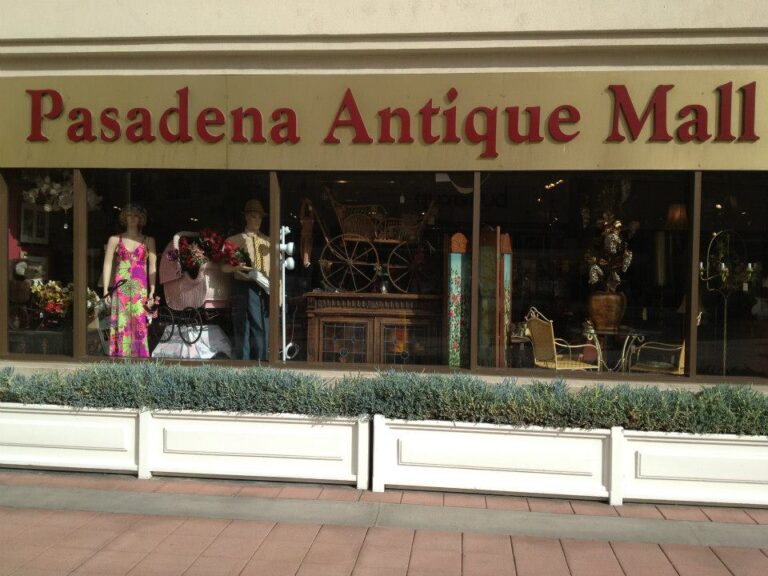
By comparison, an indoor antique mall in the Los Angeles area like Sherman Oaks Antique Mall offers permanent dealer booths, climate-controlled shopping, and more consistent inventory. For a deeper look at how flea markets differ from antique stores, including sourcing, pricing logic, and inventory presentation, the distinctions extend well beyond surface-level appearance.
Multi-Vendor Structure and How It Works
The swap meet operates through a multi-vendor system that allows sellers to participate on flexible terms. This structure directly shapes how the marketplace feels and functions.
Key characteristics of the vendor model include:
- Independent sellers
Each vendor controls their own merchandise, pricing, and display. - Short-term and recurring participation
Some vendors return regularly, while others sell for limited periods. - Frequent inventory rotation
Merchandise changes often, especially among short-term sellers. - Direct buyer–seller interaction
Shoppers negotiate and purchase directly at individual booths.
This setup creates a fluid shopping environment where repeat visits can feel noticeably different each time.
Live Music and Events (Secondary Function)
Live music and events contribute to the atmosphere of the Santa Fe Springs Swap Meet but remain secondary to its role as a marketplace. Entertainment elements are designed to complement shopping rather than replace it.
How events typically function at the swap meet:
- Background entertainment
Performances add energy while shoppers browse. - Seasonal or weekend-focused
Events tend to appear during busier periods. - Experience enhancement
Music and activities encourage longer visits.
Because schedules and formats can change, most visitors treat live entertainment as an added bonus rather than a primary reason to attend.
Location, Hours, Admission, and Parking
The Santa Fe Springs Swap Meet operates as a fixed-location marketplace designed to handle high visitor volume while remaining easy to access for nearby cities in Los Angeles County. Its dual-format setup—weekday parking-lot shopping and weekend inside grounds with entertainment—directly shapes when and how people plan their visits. This section consolidates the most searched navigational details in a clear, scan-friendly format.
Exact Address and Getting There
The swap meet sits along a major east–west corridor that connects multiple Gateway Cities, making it a common destination for short regional trips rather than long-distance travel.
Key access details
- Street address
13963 Alondra Blvd, Santa Fe Springs, CA 90670 - Major cross streets
Alondra Blvd and Valley View Ave - Freeway access
Commonly reached from I-5, with surface-street connections nearby - Regional reach
Frequently visited from Norwalk, La Mirada, Downey, and Whittier - Public transit context
Nearest rail hub is Norwalk / Santa Fe Springs station, followed by a short bus or ride-share connection
For most visitors, using live navigation apps is the easiest way to account for traffic patterns and weekend congestion.
Operating Days and Swap Meet Hours
The Santa Fe Springs Swap Meet follows a six-day operating schedule and changes its physical layout depending on the day. This distinction is important for visitors deciding when to come.
Operating schedule overview
| Day | Format | Typical Shopping Hours |
| Tuesday–Thursday | Parking Lot Swap Meet | 7:00 AM – 2:30 PM |
| Friday | Inside Swap Meet + Night Events | 4:00 PM – 11:00 PM |
| Saturday | Inside Swap Meet | 7:00 AM – 5:00 PM |
| Sunday | Inside Swap Meet | 7:00 AM – 5:00 PM |
| Monday | Closed | — |
Weekday sessions are quieter and more traditional flea-market–oriented, while weekends bring the full vendor lineup and entertainment atmosphere.
Admission and Parking Information
Admission and parking policies are structured to keep the swap meet accessible while supporting weekend events and operations.
Admission and parking reference
| Day | General Admission | Parking |
| Tuesday–Thursday | Free | Free |
| Friday | Paid (evening rate) | Free |
| Saturday | Paid (lower daytime rate) | Free |
| Sunday | Paid (daytime rate) | Free |
Additional notes
- Children under a height threshold typically enter free with a paid adult
- Parking is provided on-site in large, designated lots
- No advance tickets or reservations are required for shoppers
This setup allows visitors to plan quick weekday visits or longer weekend outings without needing advance logistics.
Shopping Experience and Layout
The shopping experience at Santa Fe Springs Swap Meet is built around movement, variety, and discovery rather than fixed retail aisles. Its layout reflects the site’s origins as a former drive-in theater, resulting in wide walkways, open sightlines, and clearly separated zones that shift based on the day of the week. This flexible structure allows the swap meet to function both as a casual weekday flea market and a more organized weekend destination.
Indoor and Outdoor Vendor Areas
The swap meet operates in distinct physical zones, depending on the day and format.
Primary vendor zones
- Parking Lot Swap Meet (Tuesday–Thursday)
Open-air setup in the front parking lot, commonly associated with garage-sale-style sellers and used goods. - Inside Swap Meet Grounds (Friday–Sunday)
Located within the former drive-in theater area, featuring paved walkways and more established vendor stalls. - Covered and permanent vendor structures
Used by long-term vendors, offering shaded shopping and semi-fixed layouts. - Central entertainment and food area
A focal point near the stage and seating, drawing higher foot traffic.
This zoning helps visitors quickly understand where different shopping experiences are most likely to occur.
Browsing and Discovery Experience
Browsing at the Santa Fe Springs Swap Meet is self-directed and exploratory, which is central to its appeal.
How visitors typically experience the space
- Non-linear movement, with no fixed departments or store categories
- High visual variety, as displays change weekly and often daily
- Walking-intensive exploration, due to the size of the grounds
- Direct interaction with vendors, including negotiation and informal conversations
Because there is no centralized inventory or standardized merchandising, discovery is driven by curiosity and time spent walking the grounds.
This open-ended, unfiltered approach differs from a curated vintage market in Southern California like the Topanga Vintage Market, where vendor selection, styling, and presentation are more tightly controlled.
Vendor Types and Inventory Rotation
Inventory variety is driven by the swap meet’s multi-tier vendor system, which creates constant change.
Vendor structure overview
- Monthly vendors
Hold consistent spaces across weekends, offering continuity in categories like apparel, collectibles, and household items. - Daily vendors
Assigned spaces through a lottery or short-term reservation system, resulting in frequent layout and inventory changes.
How inventory shifts
- Weekdays tend to surface one-off and secondhand items
- Weekends feature more new merchandise and professional vendor setups
- Rotation cycles ensure repeat visitors rarely see the same layout twice
This operational model reinforces the swap meet’s identity as a discovery-first marketplace rather than a curated retail environment.
What You Can Find at Santa Fe Springs Swap Meet
The merchandise at Santa Fe Springs Swap Meet reflects its identity as a high-volume, multi-vendor flea market, not a curated antique mall. Inventory varies significantly by day of the week, vendor type, and location within the grounds, so shoppers should expect variety rather than consistency. Discovery is driven by walking, timing, and repeat visits rather than searching for specific guaranteed items.
Antiques, Vintage Décor, and Collectibles
Antique and vintage items appear selectively, with the strongest opportunities typically found during weekday parking-lot sessions and among long-standing vendors.
Vintage and collectible finds shoppers may encounter
- Vintage décor and household pieces
Lamps, mirrors, wall art, enamelware, and small furniture. - Collectibles and memorabilia
Vinyl records, comic books, toys, sports items, and pop-culture ephemera. - Estate and garage-sale vintage
Glassware, kitchen tools, hardware, and mixed household lots. - Period clothing and accessories
Denim, leather jackets, branded apparel, and retro accessories. - Handcrafted and artisanal goods
Custom jewelry and small-batch craft items made by independent sellers.
These items are opportunistic rather than curated, making early arrival and browsing beyond main aisles important for vintage-focused visitors.
Common Flea Market Merchandise Categories
In addition to vintage finds, the swap meet functions as a full-spectrum retail marketplace serving everyday shopping needs.
| Category | Typical Items | Primary Audience |
| Apparel & Footwear | Family clothing, shoes, accessories | Local shoppers, families |
| Electronics & Tools | Power tools, phone accessories, auto parts | DIY buyers, mechanics |
| Home & Garden | Bedding, kitchen items, small appliances | Household shoppers |
| Toys & Novelties | Toys, hobby items, low-cost gifts | Children, gift buyers |
| Beauty & Personal Care | Cosmetics, fragrances, hair tools | Everyday shoppers |
This mix reflects the independent nature of vendors, not centralized merchandising.
Food and Refreshment Vendors
Food operates as a supporting amenity, especially during busy weekends and live-event periods.
What visitors typically find
- Hot food stalls
Tacos, hot dogs, and cooked-to-order snacks. - Snack and dessert vendors
Churros, sweets, and fair-style treats. - Drink vendors
Aguas frescas, soft drinks, and cold refreshments. - Adult beverage areas (weekends)
Beer and specialty mixed drinks where permitted.
Food options vary by day and vendor availability, but they help support longer visits, particularly for families and weekend crowds.
Vendor Spaces and Selling at Santa Fe Springs Swap Meet
Selling at Santa Fe Springs Swap Meet follows a regulated, in-person vendor system designed to accommodate both short-term sellers and recurring businesses. The swap meet operates as a permit-based, space-rental marketplace, not an informal pop-up, which means sellers must meet California and city requirements before participating. This structure supports high vendor turnover while maintaining compliance, safety, and consistent shopper experience.
Vendor Types and Space Options
The marketplace offers two primary selling models, each suited to different seller goals.
Vendor participation types
- Daily vendors
Short-term sellers using rotating spaces, commonly associated with garage-sale and mixed merchandise. - Monthly (reserve) vendors
Sellers who maintain the same space every weekend, allowing customer recognition and inventory consistency. - Weekday vs. weekend selling
Weekdays emphasize used goods; weekends operate inside the main grounds with higher traffic.
Typical Vendor Space Costs (Reference)
| Selling Day | Advance Daily Rate | Day-Of Rate (Approx.) | Format |
| Tuesday | $18 | ~$22 | Parking lot swap |
| Wednesday | $23 | ~$25 | Parking lot swap |
| Thursday | $44 | ~$50 | Parking lot swap |
| Friday Night | $64 | ~$73 | Inside swap + events |
| Saturday | $27 | ~$32 | Inside swap |
| Sunday | $64 | ~$71 | Inside swap |
Rates vary by demand and availability; fees are subject to change.
Required Documentation and Permits
To purchase a vendor space, sellers must present documentation in person at the reservation office.
Common requirements
- Government-issued photo ID
Driver’s license or state ID. - Vehicle insurance
Required for any vehicle entering the selling area. - California seller’s permit
Mandatory for repeat sellers; must list the swap meet address. - City regulatory permits
Required for ongoing or secondhand selling activity.
Food vendors are subject to additional health and insurance approvals and are handled separately by management.
Selling Rules and Operational Guidelines
Vendor operations follow clearly enforced rules to ensure safety and fairness.
Key selling policies
- Arrival deadlines
Sellers must occupy spaces by designated times or risk resale. - Space boundaries
All merchandise and vehicles must remain within assigned dimensions. - Prohibited items
Counterfeit goods, brand knock-offs, and restricted services are not allowed. - Clean-up responsibility
Vendors must remove all unsold items and trash at the end of the day.
Why Antique and Vintage Shoppers Visit This Swap Meet
For antique and vintage shoppers, Santa Fe Springs Swap Meet is valued less as a curated retail destination and more as a source market. It attracts collectors who prefer unfiltered inventory, direct seller interaction, and frequent turnover over polished presentation. Rather than replacing antique stores, the swap meet fills a different role—one focused on discovery, timing, and price flexibility.
What draws this audience is the possibility of finding vintage items that have not yet been cleaned, researched, or repriced for boutique resale. This environment rewards knowledge, patience, and repeat visits rather than casual browsing.
In contrast to this sourcing-first environment, a large outdoor antiques fair in California like the Alameda Point Antiques Fair emphasizes curated dealer inventory, scheduled monthly events, and destination-driven visits. Within the broader landscape of flea markets and antique destinations in California, this swap meet fills an early-stage sourcing role rather than a curated retail one.
Supplementing Traditional Antique Store Visits
Experienced collectors often treat the swap meet as a complementary stop alongside antique shops and malls.
Why it works as a supplement
- Earlier point in the resale cycle
Items may appear here before entering curated retail channels. - Higher vendor turnover
Rotating sellers introduce new stock more frequently than fixed shops. - Flexible pricing environment
Direct negotiation is common and expected. - Mixed sourcing
Estate clear-outs, storage units, and household downsizing surface side by side. - Repeat-visit efficiency
Regular operating days allow ongoing scouting without waiting for special shows.
Antique stores remain important for verified, specialty pieces, while the swap meet supports volume-based searching and opportunistic buying.
Many collectors balance visits to swap meets with time spent at an established antique mall in Southern California like Country Antique Fair Mall in Santa Clarita, where inventory is more stable and dealer expertise plays a larger role.
Finding Vintage Items Among General Merchandise
Because vintage goods are interspersed with new retail items, success depends on where and when shoppers look.
Practical discovery strategies
- Focus on weekday parking-lot sessions
These lean more heavily toward garage-sale and secondhand sellers. - Watch for daily (non-reserve) vendors
Rotating spaces often bring uncataloged and mixed inventory. - Check perimeter and low-traffic aisles
Older stock frequently appears away from central walkways. - Ask targeted questions
Vendors may have additional items not yet displayed. - Use material cues
Weight, wear, construction methods, and labels help indicate age. - Arrive early
Vintage and collectible items tend to sell quickly once gates open.
Approaching the visit as exploratory rather than goal-driven increases the likelihood of meaningful finds without relying on guarantees.
Getting Here From Nearby Cities
Because of its placement along Alondra Boulevard in the Gateway Cities area of Los Angeles County, Santa Fe Springs Swap Meet functions as a short-drive regional destination rather than a remote attraction. Most visitors arrive by car from nearby cities, often making same-day or repeat visits without extensive planning.
Visitors planning broader trips may also want to browse antique and vintage destinations nationwide to compare markets across different states and regions. Other large weekend markets, such as one of Southern California’s best-known flea markets in Pasadena, attract visitors willing to travel farther for scale, tradition, and a more event-driven experience.
The location is well-suited for spontaneous trips, weekend browsing, and weekday bargain-focused visits.
Drive Times From Norwalk, La Mirada, Downey, and Whittier
Typical drive times remain relatively short in light to moderate traffic, though conditions vary by time of day and route.
| Origin City | Approximate Drive Time | Common Route Context |
| Norwalk | ~5–10 minutes | Norwalk Blvd, Pioneer Blvd |
| La Mirada | ~10–15 minutes | Telegraph Rd, Valley View Ave |
| Downey | ~10–15 minutes | Firestone Blvd, I-5 |
| Whittier | ~10–20 minutes | Santa Fe Springs Rd, surface streets |
These proximity ranges explain why many visitors treat the swap meet as a frequent stop, not a special-occasion outing. Travel times increase during peak commuting hours and major event periods.
Best Times to Visit for a Smoother Experience
Crowd levels, parking availability, and overall pace shift noticeably depending on day and arrival time.
General timing guidance
- Saturday mornings
Widely regarded as the smoothest weekend option, with manageable crowds. - Early arrival (7:00–9:00 AM)
Easier parking, cooler temperatures, and first access to vendors. - Tuesday–Thursday visits
Lightest crowds and a stronger garage-sale atmosphere. - Friday early evening (4:00–6:00 PM)
Easier entry before live music draws peak attendance. - Sunday afternoons
Most crowded period; slower movement and fuller parking areas.
Visitors prioritizing ease of movement and relaxed browsing often favor mornings or weekdays, while those seeking a lively atmosphere and entertainment tend to visit during peak weekend hours.
Frequently Asked Questions About Santa Fe Springs Swap Meet
Based on verified visitor inquiries, official policies, and recurring SERP questions. Details may change by season or event; visitors should confirm specifics through official channels before visiting.
Hours & Admission
What are the operating hours at Santa Fe Springs Swap Meet?
Operating hours vary by day and format. Generally, the swap meet runs Tuesday through Sunday and is closed on Mondays. Weekday sessions operate during morning and early afternoon hours, while weekend and Friday night sessions extend later due to entertainment programming.
How much is admission to Santa Fe Springs Swap Meet?
Admission depends on the day:
- Tuesday–Thursday: Typically free
- Friday night: Paid admission
- Saturday & Sunday: Paid admission
Pricing may adjust for special events or holidays.
Is parking available, and is it free?
Yes. On-site parking is provided at no cost for all visitors. During peak weekend hours, parking attendants may direct vehicles to outer lots.
Shopping & Vendors
What types of items are sold at Santa Fe Springs Swap Meet?
Inventory varies by vendor and day but commonly includes:
- General flea market merchandise
- Household goods and apparel
- Collectibles and vintage items
- Food and specialty vendors
Because sellers rotate frequently, selection changes week to week.
Do vendors accept credit or debit cards?
Some vendors accept cards through mobile payment systems, but cash is strongly recommended, especially for smaller purchases and easier negotiation. Admission gates typically prefer cash.
Can I rent a vendor space at Santa Fe Springs Swap Meet?
Yes. The swap meet offers daily and monthly vendor spaces. Availability, fees, and requirements are managed directly through the on-site reservation office and are subject to local and state permit regulations.
Rules & Policies
Are pets allowed inside the swap meet?
No. Pets are not permitted anywhere on the property.
Is outside food or drink allowed?
No. Outside food, beverages, gum, or candy are not permitted. The venue features numerous on-site food vendors.
What items are prohibited at the swap meet?
Prohibited items include weapons, illegal substances, counterfeit goods, adult materials, and unapproved services. Security screening policies may apply at entrances.
Experience & Events
Does Santa Fe Springs Swap Meet host live music or events?
Yes. Live music and cultural events are a regular weekend feature, particularly on Friday nights and Sundays. These events contribute to the venue’s dual identity as both a marketplace and entertainment destination.
Is Santa Fe Springs Swap Meet family-friendly?
Yes. The swap meet is considered family-oriented, with wide walkways, food options, and an open-air layout suitable for visitors of all ages. Children below a height threshold often receive free entry when accompanied by a paid adult.
What is the best time to visit for vintage or antique finds?
Visitors interested in vintage or antique-adjacent items often prefer early mornings and weekday parking-lot sessions, when garage-sale-style sellers are more common. Availability varies by vendor and week.