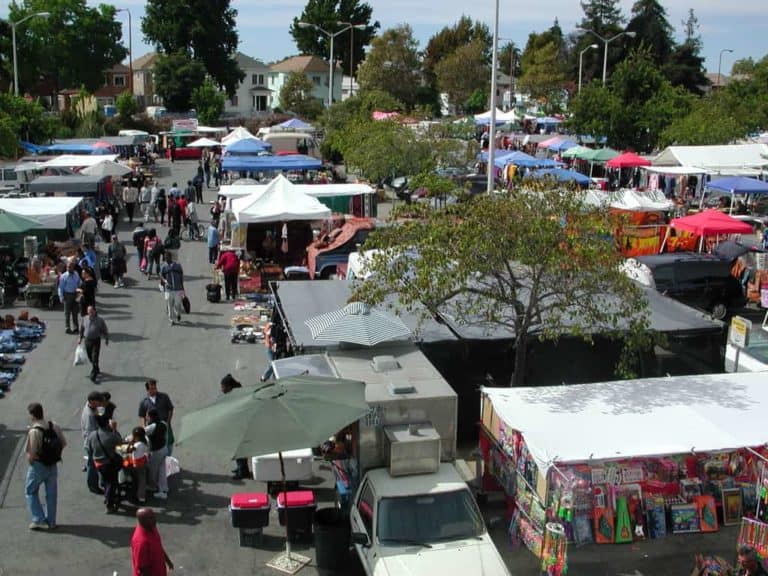
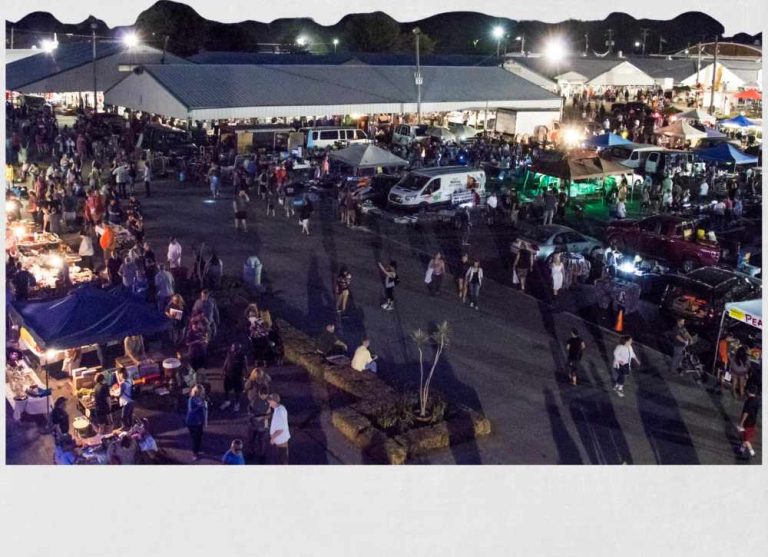
The Rose Bowl Flea Market is one of the most recognized flea markets in the United States, known for its scale, history, and concentration of antiques and vintage goods. Held monthly inside the iconic Rose Bowl Stadium in Pasadena, the market draws collectors, interior designers, and vintage shoppers from across Southern California and beyond.
Taking place on the second Sunday of every month, the event transforms the stadium grounds into a vast open-air marketplace featuring thousands of vendors. Shoppers come here to browse antiques, vintage clothing, furniture, collectibles, and architectural pieces spanning multiple eras. Unlike smaller neighborhood flea markets, the Rose Bowl Flea Market functions as a destination event, combining the atmosphere of a major venue with the depth of a professionally curated vintage market.
This guide breaks down what the Rose Bowl Flea Market is, how it works, and how to plan a visit with clear expectations.
Location & Venue: Inside the Rose Bowl Stadium in Pasadena, CA
The Rose Bowl Flea Market takes place within the grounds of the historic Rose Bowl Stadium, giving the market a scale and layout that few flea markets can match. Rather than a single enclosed space, the event spreads across stadium concourses and surrounding parking areas, creating a fully outdoor shopping environment shaped by the venue itself.
Because the flea market is embedded into an active stadium complex, understanding the physical setting helps visitors plan their time, energy, and shopping priorities more effectively.
Rose Bowl Stadium as a Flea Market Venue
Key venue characteristics (scannable overview):
- Stadium-based setting
Uses concourses and large parking lots rather than indoor halls. - Outdoor-only market
No enclosed vendor buildings; weather exposure is constant. - Large walking footprint
Visiting all sections typically requires several miles of walking. - Asphalt and concrete surfaces
Comfortable footwear is essential. - Limited natural shade
Sun exposure is a real factor, even in cooler months.
Location Details & Venue Reference Table
| Detail | Information |
| Venue | Rose Bowl Stadium |
| Street Address | 1001 Rose Bowl Drive |
| City | Pasadena, California |
| ZIP Code | 91103 |
| Setting | Outdoor stadium concourse and parking lots |
| Accessibility | ADA-accessible entry points and parking |
This fixed location anchors the market firmly in northwest Pasadena, just outside the Arroyo Seco corridor and north of central Los Angeles.
How the Stadium Layout Shapes the Experience
The stadium’s circular structure acts as a natural orientation point, with vendors arranged around and beyond the main bowl. Shoppers often move between interior concourse areas and expansive outer lots, which can feel like separate markets within the same event.
Because the venue was not designed as a traditional retail space, first-time visitors benefit from pacing themselves and focusing on specific sections rather than attempting to cover everything at once.
Location & Venue: Inside the Rose Bowl Stadium in Pasadena, CA
The Rose Bowl Flea Market is held within the grounds of the historic Rose Bowl Stadium, making the venue itself a defining part of the experience. Rather than operating in a single enclosed space, the market spans the stadium’s interior concourse and multiple surrounding parking lots, creating a large, fully outdoor shopping environment.
Situated at 1001 Rose Bowl Drive in Pasadena, the stadium sits in the Arroyo Seco area, away from dense commercial districts. This location allows the flea market to operate at a scale that smaller urban venues cannot support, while remaining easily accessible by car from across the Los Angeles region.
Stadium Layout & Market Zones
The flea market is divided into clearly defined zones that help visitors navigate the size and variety of vendors.
Primary shopping areas:
- Orange Area — Antiques & collectibles
Traditional antiques, furniture, and decorative pieces. - White Area — Vintage clothing
Concentrated rows of vintage apparel and accessories. - Blue Area — New merchandise
Contemporary goods and non-antique items. - Purple Area — Arts & crafts
Handmade and artisan-focused vendors. - Pink, Red, and Yellow Areas — Mixed goods
A blend of general merchandise near main access points.
Understanding these zones helps visitors prioritize sections that match their interests instead of browsing randomly.
Entry Points, Accessibility & Drop-Offs
| Access Type | Location | Notes |
| Main Entry | Gate A | Ticket scanning required for all visitors |
| Drop-Off Zone | Gate C | Ride-share, taxi, and accessible van drop-offs |
| Accessibility | Multiple gates | Wheelchair-accessible paths and restrooms |
The venue is ADA accessible, though wheelchair or stroller rentals are not provided on-site.
Parking at the Stadium
Parking options at the venue:
- General parking
Free, but may involve a longer walk to entry gates. - Preferred parking
Paid option closer to the stadium entrances.
Because the market covers a large area, parking choice can significantly affect walking distance and ease of loading larger purchases.
Why the Venue Matters for Visitors
The Rose Bowl Stadium’s size enables vendor variety and clear zoning, but it also demands realistic planning. Visitors who understand the layout, entry points, and parking options tend to have a smoother, less exhausting experience than those who arrive without a plan.
The Treasures: What You’ll Find at the Rose Bowl Flea Market
The Rose Bowl Flea Market offers one of the broadest selections of antiques and vintage goods in Southern California. Rather than a single inventory type, the market functions as a collection of specialized vendor booths, each focused on specific categories, eras, or buyer interests. This structure allows shoppers to compare quality and style across many sellers within one visit.
Inventory changes monthly, but the overall composition remains stable. Visitors can expect a balance of antiques, vintage fashion, furniture, and collectible objects, with vendors ranging from long-established dealers to newer curators. The market’s size encourages browsing by category rather than random discovery, which helps buyers shop more efficiently.
Antiques, Vintage Clothing & Curated Market Finds
This is the most expansive category and the primary draw for many visitors.
Commonly represented items include:
- Traditional antiques
Decorative objects, lighting, ceramics, and small furnishings. - Vintage clothing and accessories
Apparel spanning multiple decades and styles. - Curated mixed-era finds
Design-focused items selected for aesthetic or historical appeal. - Small household décor
Mirrors, glassware, tabletop pieces, and accent objects. - Estate-sourced goods
Items originating from private homes and collections.
Vendors in this category tend to emphasize presentation and condition, which differentiates the offerings from casual resale or thrift environments.
Furniture, Home Décor & Architectural Pieces
Larger items appeal primarily to local and regional buyers due to transport considerations.
Typical offerings include:
- Vintage and antique furniture
Seating, tables, cabinets, and storage pieces. - Decorative statement pieces
Lamps, rugs, and large-scale accents. - Architectural salvage
Doors, hardware, fixtures, and reclaimed building elements. - Garden and outdoor items
Planters, benches, and weathered materials.
Because these items are difficult to ship, the market provides an advantage for Los Angeles–area shoppers who can transport purchases themselves.
Collectibles, Memorabilia & Unique Curiosities
This category attracts collectors who value rarity and discovery.
Frequently encountered items include:
- Ephemera
Printed materials, photographs, and paper goods. - Memorabilia
Objects tied to cultural, historical, or advertising themes. - Toys and novelty items
Vintage playthings and display pieces. - Unusual curiosities
Items valued for uniqueness rather than function.
These booths often reward slow, careful browsing and are popular with repeat visitors who enjoy the unpredictability of each market.
The Strategy: How to Navigate the Rose Bowl Flea Market
Navigating the Rose Bowl Flea Market is as much about planning as it is about browsing. With a large outdoor footprint and hundreds of specialized vendors, visitors benefit from setting priorities before entering the gates. A clear strategy helps manage time, energy, and budget while reducing the feeling of being overwhelmed.
For Pasadena and greater Los Angeles visitors, successful navigation usually comes down to three factors: arrival timing, movement through the venue, and respectful interaction with vendors.
The Early Arrival Question: Is Early Admission Worth It?
Early admission can be valuable, but it is not necessary for every visitor.
| Arrival Time | Admission Type | Best Suited For |
| Early morning | Early admission | Collectors, designers, focused buyers |
| Mid-morning | General admission | First-time and casual visitors |
| Early afternoon | Late entry | Budget-conscious shoppers |
Early admission allows first access to inventory, but vendors may still be setting up and are often less flexible on pricing. General admission offers a more relaxed experience, while late-day entry can favor buyers interested in negotiating on larger or harder-to-move items.
Browsing, Discovery & Walking Expectations
The physical scale of the market often surprises first-time visitors.
What to plan for:
- Long walking distances
Several miles of walking are common over a full visit. - Zone-based browsing
Different areas emphasize antiques, clothing, or mixed goods. - Crowd concentration
Central sections fill faster than outer areas. - Exposure to sun and heat
Shade is limited across most sections.
A practical approach is to complete an initial loop of priority areas before making purchases, allowing for comparison across vendors.
Vendor Interaction & Negotiation Basics
Negotiation is part of flea market culture, but tone and timing matter.
Recommended buyer practices:
- Ask before negotiating
Start with questions rather than offers. - Be payment-ready
Cash can simplify transactions. - Bundle thoughtfully
Multiple-item purchases may encourage flexibility. - Time discussions carefully
Negotiation is often more productive later in the day.
Respectful communication helps maintain goodwill and leads to better outcomes than aggressive bargaining.
Tickets, Timing & Budget: Planning Your Visit
Planning ahead is essential for the Rose Bowl Flea Market, as tickets are sold online only and entry windows affect both crowd levels and shopping outcomes. The market runs on the second Sunday of every month, rain or shine, and officially closes in the late afternoon, though activity begins to taper earlier.
Admission Types & Entry Windows
| Admission Type | Entry Window | Notes |
| Early Admission | Early morning | First access to inventory; higher ticket cost |
| General Admission | Mid-morning to early afternoon | Best balance for most visitors |
| Late Entry | Early afternoon | Fewer crowds; some vendors begin packing |
Early entry favors focused buyers, while general admission suits first-time visitors. Late arrival can be practical for browsing remaining stock without peak congestion.
Budget Planning Essentials
Costs to plan for:
- Tickets
Purchased in advance online; no gate sales. - Parking
Free general parking or paid options closer to entrances. - Food and drinks
Stadium-priced vendors on site. - Cash
Many sellers prefer cash; on-site ATMs carry high fees.
Bringing water and setting a flexible spending range helps avoid unnecessary expenses and rushed decisions.
What the Rose Bowl Flea Market Is (And What It Isn’t)
Clear expectations improve the visit. The Rose Bowl Flea Market is a large, curated flea market, not a casual resale event or traditional retail environment.
What It Is
- A monthly flea market event
Independent vendors selling antiques and vintage goods. - Curated and professional
Inventory is sourced, priced, and presented by experienced sellers. - Outdoor and stadium-based
Spread across concourses and parking lots. - Discovery-driven
Inventory changes every month.
What It Is Not
- Not a thrift store
Items are not donated or uniformly priced. - Not a farmers market
No produce or grocery focus. - Not a casual swap meet
Informal trading is limited. - Not a shopping mall
No permanent stores or climate control.
This distinction helps visitors avoid expecting bargain-bin pricing or a small-scale experience.
Why Visitors Consider the Rose Bowl Flea Market Worth Visiting
Visitors value the market for its scale, variety, and hands-on browsing, rather than guaranteed bargains. Hundreds of vendors in one location allow comparison shopping that is difficult to replicate online or across multiple stores.
Practical Value for Shoppers
- Wide inventory range
Antiques, vintage clothing, furniture, and collectibles. - Category specialization
Easier side-by-side evaluation of similar items. - Physical inspection
Condition and authenticity can be assessed in person. - Monthly turnover
Each visit offers different finds.
Experience-Driven Appeal
The stadium setting in Pasadena creates a destination feel that many visitors treat as a recurring outing. For regional shoppers, the combination of browsing, walking, and unplanned discovery is as important as the items purchased, which explains the market’s steady return visitors.
Your Visit Plan: Logistics, Parking & Arrival Tips
A smooth visit to the Rose Bowl Flea Market depends on understanding how arrival flow, parking options, and stadium access work together. Because the market operates across the grounds of the Rose Bowl Stadium, congestion patterns and walking distances can vary widely depending on when and where you arrive.
For visitors traveling into Pasadena from elsewhere in the Los Angeles area, planning arrival timing in advance often matters more than total time spent on-site.
Parking Areas, Entry Points & Arrival Timing
Understanding the parking and entry system helps reduce unnecessary walking and delays.
Parking options:
- General parking
Free parking in designated stadium lots; longer walks are common. - Preferred parking
Paid parking closer to main gates; helpful for large or heavy purchases. - Alternative parking
Public garages in Old Pasadena, roughly 1.4–1.5 miles away, for those avoiding stadium traffic.
Entry and access points:
- Mandatory entry gate
Gate A is used for ticket scanning for all visitors. - Drop-off location
Gate C serves ride-share vehicles, taxis, and accessible van drop-offs. - Re-entry
Hand stamps allow visitors to unload items and return.
Timing considerations:
- Arriving before mid-morning helps avoid peak congestion.
- No new entries are allowed after mid-afternoon, even though shopping continues later.
- Early afternoon is quieter, but some vendors begin packing up.
Distance & Proximity from Nearby Areas
The stadium’s location makes it reachable from most LA metro neighborhoods, particularly on Sunday mornings.
| Starting Area | Approximate Distance | Typical Drive Time |
| Downtown Los Angeles | ~11 miles | 20–30 minutes |
| Silver Lake | ~10 miles | 15–25 minutes |
| Hollywood | ~13 miles | 25–35 minutes |
| Santa Monica | ~25 miles | 35–50 minutes |
| Burbank | ~14 miles | 25–35 minutes |
Public transit users typically take the Metro A Line to Pasadena and continue by walking, bus, or short ride-share trip. Visitors using ride-share services should expect a brief uphill walk after drop-off due to traffic controls around the stadium.
FAQs About the Rose Bowl Flea Market
The following frequently asked questions cover planning, tickets, logistics, and shopping strategy for the Rose Bowl Flea Market. Each answer is written for quick clarity and search visibility.
What day is the Rose Bowl Flea Market held?
The Rose Bowl Flea Market is held on the second Sunday of every month, rain or shine. The event runs year-round with a consistent monthly schedule.
What are the Rose Bowl Flea Market hours?
Admission is staggered based on ticket type.
- Early Admission typically begins around 5:00 AM.
- General Admission usually starts in the mid-morning and runs until early afternoon.
- Last entry is often restricted before the official closing time.
Always confirm exact hours on the official website before visiting, as entry windows can change.
How much does it cost to go to the Rose Bowl Flea Market?
Admission uses tiered pricing.
- Early Admission tickets cost more than General Admission.
- Children under 12 are admitted free with an adult.
Prices vary by event, so visitors should check the official ticketing page for current rates.
Can I buy Rose Bowl Flea Market tickets at the gate?
No. Tickets are online-only and must be purchased in advance.
You will receive a QR code that is scanned at the main entry gate on arrival.
Pro tip: Popular dates can sell out, so buying tickets ahead of time is recommended.
Is parking available, and how much does it cost?
- Free general parking is available in designated stadium lots.
- Paid preferred parking is offered closer to the entry gates.
Even with preferred parking, expect some walking from your car to the market.
Is early admission worth it at the Rose Bowl Flea Market?
Early admission is most useful for collectors, designers, and focused buyers seeking first access to inventory.
Casual visitors often find General Admission sufficient for browsing and overall experience.
Best strategy: Choose your entry time based on goals, not just ticket price.
What’s the best time to arrive for deals and browsing?
- Early morning: Best selection, higher energy, fewer price concessions.
- Mid-day: Peak crowds, widest vendor availability.
- Early afternoon: Quieter atmosphere; some vendors may be more flexible as they prepare to pack.
Are pets allowed at the Rose Bowl Flea Market?
No. Pets are not permitted, with the exception of certified service animals.
Crowds, heat, and hard walking surfaces make the venue unsuitable for pets.
Is the flea market accessible for wheelchairs and strollers?
Yes.
- Entry gates and restrooms are ADA accessible.
- Most surfaces are asphalt or concrete.
- Wheelchair and stroller rentals are not provided on-site.
Can I bring food, water, or bags?
- Factory-sealed water bottles and empty reusable bottles are typically allowed.
- Outside food policies may vary by event.
- Food vendors are available throughout the stadium grounds.
Bringing a bag or small cart can be helpful for purchases.
What payment methods should I bring?
- Cash is strongly recommended, as some vendors are cash-only.
- Many vendors also accept cards or mobile payments.
- ATMs are available on-site but usually charge service fees.
Pro tip: Carry small bills to make transactions quicker and smoother.
How much walking should I expect at the Rose Bowl Flea Market?
Expect several miles of walking over the course of a visit.
More Los Angeles Vintage & Antique Shopping Guides
If you’re planning additional vintage shopping beyond the Rose Bowl Flea Market, Los Angeles offers several well-established markets and year-round destinations worth exploring.
Related Southern California guides:
- Long Beach Antique Market — Large monthly market known for furniture and antiques.
- Melrose Trading Post — Weekly market focused on vintage clothing and accessories.
- PCC Flea Market — Smaller local market with free admission.
- Sherman Oaks Antique Mall — Indoor option for year-round browsing.
- Magnolia Boulevard — Walkable stretch of vintage and antique shops.
Exploring these guides helps visitors compare markets by size, inventory focus, and shopping style across Los Angeles.