
Portland, Maine has quietly become one of New England’s most compelling destinations for antique and vintage sourcing. Rooted in a deep maritime history and shaped by a strong arts culture, the city offers an antique scene that feels authentic rather than staged. At the center of it all is Portland Flea-for-All, a curated, year-round marketplace that anchors a much larger ecosystem of shops, flea markets, and regional day trips.
This guide explores Portland’s antique scene as it exists today—not as a nostalgic concept, but as a living market shaped by sustainability, design-forward collecting, and authentic regional history. You’ll discover how the Portland Flea-for-All fits into the Arts District, what types of antiques define coastal Maine, and how collectors, designers, and travelers build full antiquing itineraries across Portland and Southern Maine. Whether you’re exploring the Portland Flea-for-All, browsing classic shops in Portland’s Arts District, discovering the top antique stores across Maine, or building a broader itinerary using our complete Antique Stores Near Me directory.
Portland, Maine’s Antique & Vintage Culture
Portland’s antique and vintage culture is rooted in preservation, practicality, and place. The city’s long maritime history, paired with a strong commitment to reuse, has shaped a market where antiques remain part of daily life rather than decorative afterthoughts.
Unlike larger New England cities, Portland blends working history with creative renewal. Nineteh-century buildings in the Old Port, Arts District, and downtown remain actively used, creating steady demand for period-appropriate antiques. Homeowners, designers, and collectors seek original furnishings that preserve architectural integrity.
Sustainability reinforces this culture. Maine consistently ranks among the greenest states, and secondhand buying is widely viewed as responsible consumption. In Portland, antiques represent durability, craftsmanship, and continuity—values that support a thriving year-round vintage economy rather than seasonal or trend-driven demand.
Why Portland Is a Hub for Antiques in New England
Portland’s role as a regional antique hub begins with its historical density. Founded in the 17th century, the city developed as a major Atlantic port, leaving behind generations of inherited furnishings, maritime tools, and decorative objects. These pieces remain embedded in local estates and preserved homes.
The Old Port’s cobblestone streets and Victorian-era buildings contribute to sustained demand for authentic antiques. Rather than replacing historic interiors with modern replicas, many homeowners and restorers source period furniture, lighting, and architectural elements to maintain authenticity.
Portland also functions as a distribution gateway for the broader Maine antique ecosystem. Dealers from coastal towns, inland mills, and rural homesteads bring inventory into the city, positioning Portland as the central marketplace for pricing, trend discovery, and resale across New England.
The Rise of Curated Flea Markets & Vintage Shops
Portland’s vintage scene has evolved beyond traditional thrift stores and outdoor flea markets. The city now favors curated, indoor, year-round marketplaces that prioritize quality, organization, and design cohesion. This shift reflects changing buyer expectations rather than declining interest.
Portland Flea-for-All exemplifies this model. As a multi-story, multi-vendor market in the Arts District, it offers consistent inventory rotation while maintaining standards across furniture, collectibles, clothing, and décor. Vendors are selected, not random, which reduces clutter and increases buyer confidence.
Pop-up vintage events and specialty boutiques reinforce this ecosystem. Markets like Lost & Found at Thompson’s Point and shops such as Little Ghost or Portland Architectural Salvage expand the definition of antiquing. Together, they attract younger collectors, designers, and travelers seeking curated discovery over unstructured digging.
How Coastal Maine Influences Antique Styles & Finds
Coastal Maine directly shapes the antiques found in Portland. Maritime activity produced practical, durable objects that aged naturally under salt air and weather. This creates genuine patina that collectors value for its authenticity rather than artificial distressing.
Nautical antiques are common and regionally legitimate. Ship models, brass lanterns, navigation tools, sailcloth accessories, and marine artwork reflect working waterfront history rather than decorative themes. These pieces often originate from local boats, harbors, and shipyards.
Americana and folk art further define the market. Painted furniture, decoys, metal signage, and utilitarian tools reflect Maine’s functional culture. Coastal color palettes—blues, whites, weathered wood, and muted greens—align with the natural environment, making Portland antiques feel grounded, usable, and historically intact rather than styled for trend alone.
Portland Flea-for-All — A Local Vintage Landmark
Portland Flea-for-All is a central entity in Portland, Maine’s antique and vintage ecosystem. Since its founding in 2012, it has functioned as a year-round, curated indoor flea market that reshaped how antiques are sourced and sold in Southern Maine.
Positioned within the Arts District, the market serves collectors, interior designers, and visitors seeking authentic antiques rather than seasonal flea finds. Its scale, curation standards, and consistency place it among the most referenced flea markets in Maine.
Unlike outdoor or temporary markets, Portland Flea-for-All operates as a permanent, multi-vendor marketplace. This model emphasizes rotation, quality control, and discovery, influencing the growth of curated vintage retail across Portland and reinforcing the city’s status as a New England antique hub.
What Is Portland Flea-for-All?
Portland Flea-for-All is a curated indoor flea market located in downtown Portland, Maine. It operates as a multi-vendor collective rather than a single-dealer antique store.
Core characteristics include:
- Indoor, year-round operation
- Curated vendor selection (not open-vendor)
- Rotating inventory across multiple categories
- Emphasis on authentic secondhand and antique goods
- Negotiation-friendly pricing culture
Portland Flea-for-All — Key Facts Table
| Attribute | Details |
| Name | Portland Flea-for-All |
| Address | 585 Congress St, Portland, ME 04101 |
| Market Type | Indoor flea market / vintage collective |
| Size | ~10,000 square feet |
| Vendors | 50+ independent vendors |
| Floors | Three-story layout |
| Operating Days | Friday–Sunday |
| Inventory Type | Antiques, vintage, reclaimed, handmade |
| Reproductions | Not sold |
Inventory typically includes antique furniture, mid-century modern pieces, vintage clothing, vinyl records, collectibles, and locally made jewelry. The market intentionally sits between thrift stores and formal antique galleries in Portland’s retail landscape.
H3: History & Vision Behind the Flea-for-All
Portland Flea-for-All was established in 2012 by Erin Kiley and Nathaniel Baldwin. It was created to support independent sellers by offering shared retail space with consistent foot traffic and professional presentation.
Foundational principles include:
- Support for small, local antique and vintage businesses
- Sustainability through reuse and resale
- Community-driven retail rather than mass commerce
Vision & Operating Model Table
| Aspect | Description |
| Founding Year | 2012 |
| Founders | Erin Kiley, Nathaniel Baldwin |
| Business Philosophy | Triple bottom line (people, planet, profit) |
| Vendor Model | Shared space, curated admission |
| Purpose | Incubator for local antique & vintage sellers |
| Evolution | Expanded into hybrid models like Portland Open House |
Over time, the Flea-for-All evolved from a weekend market into a cultural anchor. Erin Kiley’s involvement in downtown advocacy further reinforces the market’s authority and long-term role within Portland’s creative economy.
H3: Location, Neighborhood & Arts District Context
Portland Flea-for-All is located at 585 Congress Street, inside a former neighborhood grocery building. The address places it directly within Portland’s Arts District, the city’s primary cultural corridor.
Nearby landmarks and institutions include:
- Portland Museum of Art
- State Theatre
- Congress Square Park
- Monument Square
- Maine College of Art & Design
Location & Accessibility Table
| Attribute | Details |
| Neighborhood | Arts District / Downtown |
| District Designation | Arts District (est. 1995) |
| Walkability | High (5–10 min to major landmarks) |
| Nearby Areas | Old Port, Bayside, West End |
| Highway Access | Easy access from I-295 |
| Transit | Local bus routes, walkable downtown |
This location integrates the Flea-for-All into Portland’s cultural programming, including monthly First Friday Art Walks. Its accessibility allows it to serve both local shoppers and regional visitors from across Southern Maine and New England.
What You’ll Find at Portland Flea-for-All
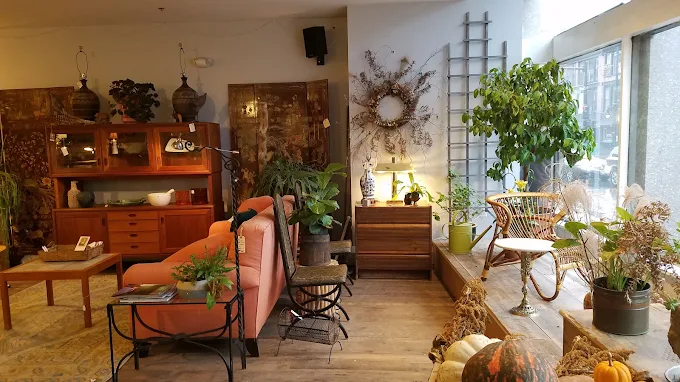
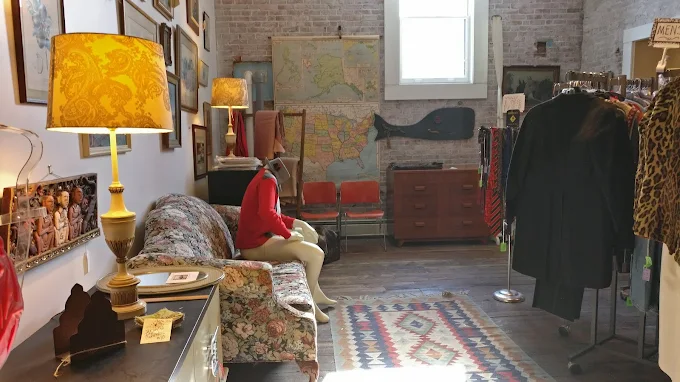
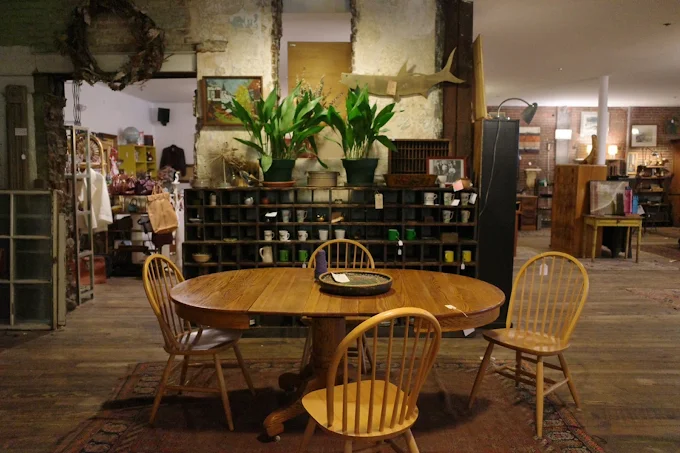
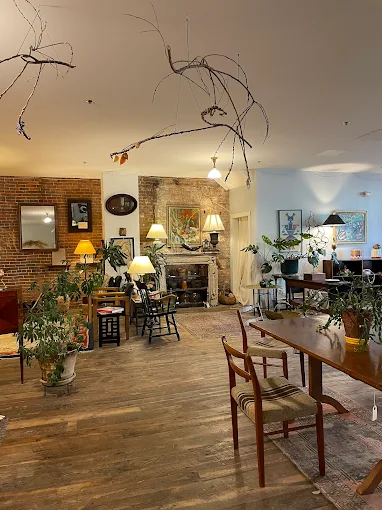
Portland Flea-for-All is known for its dense, eclectic inventory that blends antique furniture, vintage décor, clothing, art, and collectibles under one roof. The market operates as a curated indoor flea market, which means every item is genuinely secondhand, vintage, or antique—never mass-produced or reproduction goods.
Inventory changes constantly due to its rotating vendor model. Many items are one-of-a-kind and sourced from Maine estates, regional auctions, and private collections. This creates a discovery-driven experience where repeat visits are rewarded with fresh finds. Collectors, interior designers, and casual shoppers all browse the same floors, often uncovering pieces that span multiple eras and styles in a single visit.
The market’s strength lies in variety paired with quality. Rather than focusing on a single niche, Portland Flea-for-All reflects the broader Maine antique ecosystem, combining mid-century modern design, coastal influences, Americana, and practical household antiques.
Antique Furniture & Home Décor
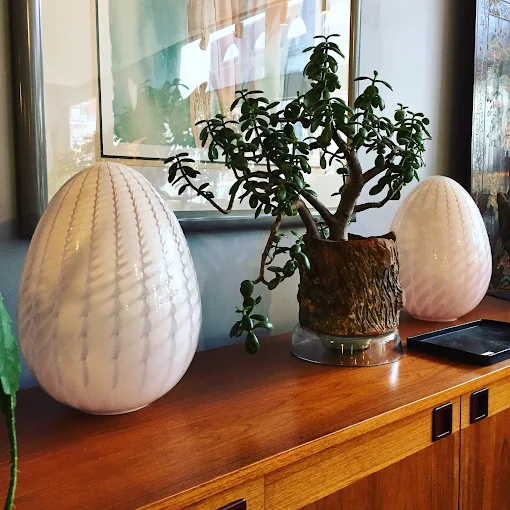
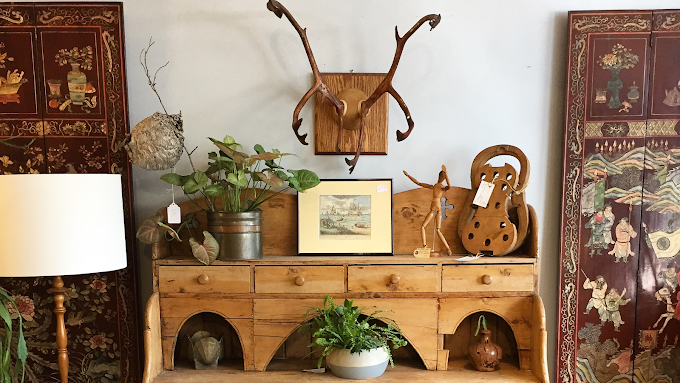
Antique furniture and home décor form the backbone of Portland Flea-for-All’s inventory. Vendors emphasize solid construction, original materials, and authentic patina rather than cosmetic restoration.
Shoppers commonly encounter:
- Mid-century modern furniture, including teak dressers, butterfly chairs, and brass lamps
- Early- to mid-20th-century tables, cabinets, and storage pieces
- Nautical and coastal furniture influenced by Maine’s maritime history
- Industrial and reclaimed pieces sourced from mills, warehouses, and old buildings
- Vintage lighting, maps, mirrors, and functional décor
Antique Furniture & Décor Overview
| Category | Typical Materials | Style Influence |
| Seating & Storage | Teak, oak, wicker | Mid-century, coastal |
| Tables & Case Goods | Solid wood, metal | Early American, industrial |
| Lighting | Brass, glass | Victorian, modernist |
| Decorative Accents | Wood, ceramic, paper | Americana, folk art |
Large statement pieces often share space with smaller décor items, allowing buyers to mix functional antiques with visual accents.
Vintage Clothing, Art & Collectibles
Beyond furniture, the market offers a wide selection of smaller collectibles that appeal to both new and experienced buyers. These categories turn over quickly and encourage casual browsing.
Typical finds include:
- Vintage clothing from the 1960s through the 1990s
- Costume and estate jewelry, including Art Deco-inspired pieces
- Vinyl records and retro media
- Original artwork, maritime prints, and posters
- Toys, books, pop-culture memorabilia, and cameras
Collectibles & Small Goods Snapshot
| Category | Era Range | Buyer Appeal |
| Vintage Apparel | 1960s–1990s | Fashion-focused collectors |
| Jewelry | 1920s–1980s | Entry-level antiques |
| Vinyl & Media | 1950s–1980s | Music and nostalgia buyers |
| Art & Ephemera | 19th–20th century | Home decorators |
These smaller items often provide the easiest entry point into antique collecting.
H3: Rotating Vendors & One-of-a-Kind Finds
Portland Flea-for-All hosts more than 50 independent vendors and consignors, each curating their own booth. This structure ensures frequent inventory turnover and a strong sense of individuality across the market.
Key characteristics of the vendor model include:
- Independent sellers specializing by era or category
- Daily and weekly inventory changes
- Locally sourced antiques and vintage goods
- Open negotiation between buyers and vendors
Multi-Vendor Model at a Glance
| Feature | Why It Matters |
| Curated vendor approval | Maintains quality standards |
| Rotating stock | Encourages repeat visits |
| Local sourcing | Preserves regional authenticity |
| Negotiation culture | Enhances buyer engagement |
Because most items are unique, shoppers are encouraged to browse without rigid expectations and enjoy the hunt. This element of surprise is central to the Portland Flea-for-All experience and a key reason it remains a favorite destination for collectors across Maine and New England.
The Shopping Experience at Portland Flea-for-All
The shopping experience at Portland Flea-for-All blends the energy of a traditional flea market with the polish of a design-focused antique destination. Visitors often describe it as feeling closer to a curated antique boutique than a casual thrift stop. The result is an environment that rewards both intentional sourcing and relaxed browsing.
Because it is an indoor, year-round market in Portland’s Arts District, shoppers are not constrained by weather or seasons. Many visitors plan their trip as part of a broader downtown outing, pairing time at the Flea-for-All with nearby galleries, cafés, and cultural venues. This positioning makes it especially popular with collectors, interior designers, and travelers exploring Portland, Maine’s antique scene in depth.
H3: Store Layout, Atmosphere & Curation Style
Portland Flea-for-All occupies roughly 10,000 square feet spread across three floors, creating a layered browsing experience rather than a single open hall. Each level serves a different purpose, helping shoppers move naturally from small finds to large statement pieces.
How the space is organized:
- First Floor:
Smaller-scale items such as vintage clothing, jewelry, vinyl records, handmade goods, and giftable collectibles. Vendors are often present, making this the most social level. - Upper Floors:
Furniture, lighting, artwork, and larger home décor pieces dominate these floors, allowing room for proper display and inspection.
Curation and atmosphere highlights:
- Clean wooden floors and uncluttered walkways
- Booths styled in room-like settings to help visualize pieces at home
- A house vinyl soundtrack that reinforces the vintage atmosphere
- Bright lighting and high ceilings that support longer browsing sessions
This thoughtful layout is frequently mentioned in reviews as a key reason the market feels approachable rather than overwhelming.
Pricing, Quality & Negotiation Tips
Pricing at Portland Flea-for-All reflects its curated, urban setting, but negotiation remains part of the culture. Vendors generally expect informed, respectful discussion rather than aggressive bargaining.
Typical pricing ranges:
| Category | Common Price Range |
| Small collectibles & accessories | $15–$50 |
| Vintage décor & lighting | $50–$300 |
| Mid-century furniture | $300–$1,000+ |
| Rare or designer pieces | Varies by provenance |
Practical negotiation tips:
- Build rapport with vendors before making an offer
- Bundle multiple items to improve discount potential
- Expect realistic negotiation in the 10–30% range
- Cash may offer slight leverage, though cards are widely accepted
Quality indicators such as solid wood construction, original hardware, and authentic patina are standard, helping justify pricing compared to outdoor flea markets or yard sales.
Why Collectors and Designers Love It
Collectors and interior designers across New England consistently return to Portland Flea-for-All because it delivers both efficiency and discovery. The density of vetted vendors allows professionals to source multiple categories in a single visit.
Key reasons it attracts professionals:
- Access to hard-to-find mid-century modern and coastal antique
- One-of-a-kind pieces that stand apart from mass-market décor
- Consistent quality across vendors
- Strong social proof from reviews and a 2022 Best of Award
Designers also value the market’s sustainability ethos and emphasis on reuse, which aligns with eco-conscious design practices. For collectors, the rotating inventory and strong vendor relationships create a sense of urgency and reward repeat visits, reinforcing Portland Flea-for-All’s role as a cornerstone of Maine’s antique ecosystem.
Other Notable Antique Shops in Portland, Maine
Beyond Portland Flea-for-All and Open House, Portland, Maine offers a tightly clustered mix of antique shops, vintage boutiques, and specialty dealers that deepen the city’s reputation as a serious New England antiquing destination. These shops are not scattered randomly; they are organized by neighborhood, reflecting Portland’s maritime history, Arts District culture, and collector-driven demand.
Together, these stores complement the Flea-for-All model by offering either higher-end specialization, niche collectibles, or focused curation. For visitors, this means efficient sourcing within walkable districts and short drives, rather than fragmented antiquing stops.
Old Port Antique Stores Worth Visiting
The Old Port is Portland’s historic waterfront district, defined by cobblestone streets, 19th-century brick buildings, and a strong maritime identity. Antique shops here tend to focus on nautical themes, estate jewelry, fine art, and higher-value collectibles tied to Maine’s coastal past.
Key Old Port antique destinations include:
- Shipwreck & Cargo (207 Commercial St)
Nautical Americana, maritime décor, and coastal collectibles inspired by shipwreck lore and seafaring history. - Old Port Auctions (Fore Street)
Fine art, rare books, and high-value antiques offered through auctions and consignment, appealing to serious collectors. - Attos Estate Jewelry (50 Exchange St)
Antique and estate jewelry, including Art Deco and mid-century pieces, with strong local trust and repair expertise. - Portland Architectural Salvage (131 Preble St)
Reclaimed doors, hardware, fixtures, and architectural elements sourced from historic Maine renovations.
These shops are concentrated within a short waterfront walk, making the Old Port ideal for focused browsing tied to Portland’s maritime heritage.
Arts District & Downtown Vintage Shops
Portland’s Arts District and downtown core form the city’s most design-forward vintage corridor. Centered along Congress Street, this area blends museums, galleries, performance venues, and curated retail into a cohesive cultural zone.
Notable Arts District and downtown vintage shops include:
- Open House (585 Congress St)
A beautifully curated showroom housing many Flea-for-All vendors, featuring antique furniture, vintage clothing, and handmade goods. - The Merchant Company (656 Congress St)
Vintage home goods, vinyl records, and locally made crafts with a gift-focused but collectible-friendly mix. - Little Ghost Vintage (31 Forest Ave)
Vintage clothing and accessories from the 1960s–1990s, including band tees and streetwear. - The Green Hand
Vintage and rare books, illustrated children’s titles, and literary collectibles.
This district attracts designers, younger collectors, and travelers seeking a polished, walkable antique experience tied closely to Portland’s creative economy.
Specialty Dealers: Mid-Century, Nautical & Americana
For collectors with focused interests, the greater Portland area supports several specialty antique dealers within a short drive of downtown. These shops cater to buyers seeking provenance, era-specific expertise, and investment-grade pieces.
Key specialty dealers near Portland:
| Dealer | Location | Primary Specialty |
| Bonny Read | South Portland | Mid-century modern furniture, décor, records |
| White’s Nautical Antiques | North Yarmouth | Ship models, maritime paintings, nautical artifacts |
| Mainely Maps, Frames & Gallery | Arts District | Antique maps, globes, historical documents |
| F.O. Bailey Antiquarians | Falmouth | Fine art, period furniture, estate-quality antiques |
| Pillars Antiques | Freeport | High-end European and Swedish antiques |
| Cabot Mill Antiques | Brunswick | Americana, folk art, multi-dealer antiques |
These dealers allow collectors to build themed itineraries—mid-century modern, nautical, or Americana—within 15 to 45 minutes of Portland. This concentration reinforces Portland’s role not just as a city with antique shops, but as a regional antiquing hub for Southern Maine and New England.
Flea Markets & Vintage Events Near Portland
Portland sits at the center of a broader Southern Maine flea market and vintage circuit, making it an ideal base for collectors who want variety beyond city shops. Within a 30–60 minute drive, shoppers can access seasonal outdoor flea markets, large indoor multi-dealer centers, and curated pop-up vintage events that collectively feed Portland’s antique ecosystem.
This regional network matters for SEO and semantics because it explains where inventory comes from, how markets differ by season, and why Portland functions as the hub rather than an isolated destination.
Seasonal Flea Markets in Southern Maine
Seasonal flea markets in Southern Maine provide high-volume, traditional antiquing experiences, especially during late spring through early fall. These markets are popular with dealers sourcing stock and collectors hunting for raw, undiscovered pieces.
Key seasonal and year-round flea markets near Portland:
| Market | Location | Type | Why It Matters |
| Arundel Antique Village Group Shop | Arundel, ME (Route 1) | Indoor + seasonal outdoor flea | One of the largest antique complexes in southern Maine; weekend outdoor flea adds volume |
| Montsweag Flea Market | Woolwich, ME | Outdoor (seasonal) | Largest outdoor flea market in mid-coast Maine; strong reputation for antiques |
| Everything Under the Sun Flea Market | Saco, ME | Indoor (year-round) | Newer indoor market (2025) with rotating vendors and antiques |
- Outdoor markets typically run May–October, weather permitting
- Best finds often require early arrival and cash
- Inventory leans more “raw” than curated, complementing Portland’s refined markets
H3: Pop-Up Vintage Events & Maker Markets
Pop-up vintage events are a defining feature of modern antiquing culture in Portland, combining curated vintage with local makers, food, and social energy. These events attract younger collectors and emphasize sustainability and design-forward presentation.
Notable pop-up and hybrid markets:
- Lost & Found Market (Thompson’s Point, Portland)
Maine’s largest vintage pop-up, featuring 70+ vendors focused on secondhand fashion, furniture, and décor. Held several times per year. - Maker’s Market at the Point
A hybrid event blending vintage goods, handmade items, local farms, and drinks in a festival-style setting. - Local café & brewery pop-ups
Smaller-scale events hosted at places like coffee shops and breweries (e.g., Biddeford area), offering limited-run vintage, art, and handmade goods.
Why these matter semantically:
- Reinforce Portland’s role in ethical resale and sustainability trends
- Create urgency and repeat visitation (event-based demand)
- Feed visibility and social proof via Instagram and local media
Day Trips: Antique Shopping Near Portland
Several towns within an hour of Portland are recognized antique destinations in their own right. These areas expand selection and allow collectors to build full-day or multi-day antiquing itineraries.
Top antique day trips from Portland:
| Town / Area | Drive Time | Known For |
| Brunswick, ME | ~30 minutes north | Cabot Mill Antiques (140+ dealers in a historic mill) |
| Arundel / Kennebunk Area | ~45 minutes south | Arundel Antique Village, Americana Workshop, Route 1 clusters |
| Wells, ME | ~45–55 minutes south | Concentration of 25+ antique shops and group markets |
| Wiscasset, ME | ~50 minutes north | Walkable Main Street antique shops in a historic setting |


