Cleaning antique coins requires extreme care to avoid damaging their historical value and patina. While some collectors prefer leaving coins untouched, others may want to remove dirt and grime carefully. This guide covers safe cleaning methods, types of antique coins, and best practices to preserve their integrity.
Types of Antique Coins
Before cleaning, identify the type of coin you have, as different metals require different approaches:
- Bronze & Copper Coins – Prone to green corrosion (verdigris) and require gentle cleaning.
- Silver Coins – Often tarnish but can be cleaned without harsh abrasives.
- Gold Coins – Rarely corrode; usually only need light cleaning.
- Nickel & Steel Coins – Can rust; need rust-removal techniques.
- Ancient & High-Value Coins – Best left to professionals to avoid devaluation.
Step-by-Step Cleaning Methods
Method 1: Soap & Water (Safest for Most Coins)
Best for: Light dirt on copper, silver, and bronze coins.

- Prepare a Mild Soak
- Mix distilled water with a few drops of dish soap in a small bowl.
- Avoid tap water (chlorine can damage coins).
- Soak the Coin
- Submerge the coin for 5–10 minutes (longer for stubborn grime).
- Do not scrub yet—let the solution loosen dirt.
- Gentle Cleaning
- Use a soft toothbrush or cotton swab to lightly remove dirt.
- Brush in straight lines (not circles) to avoid micro-scratches.
- Rinse & Dry
- Rinse with distilled water (never tap water).
- Pat dry with a lint-free cloth or let air dry on a soft towel.
Method 2: Olive Oil Soak (For Heavy Grime & Corrosion)
Best for: Bronze and copper coins with encrusted dirt.
- Submerge in Olive Oil
- Place the coin in a small container filled with extra virgin olive oil.
- Let it soak for 24 hours to several weeks (check progress).
- Remove Loosened Dirt
- After soaking, gently wipe with a microfiber cloth.
- Repeat if necessary.
- Final Rinse & Dry
- Wash with soapy water (as in Method 1) to remove oil residue.
- Dry thoroughly.
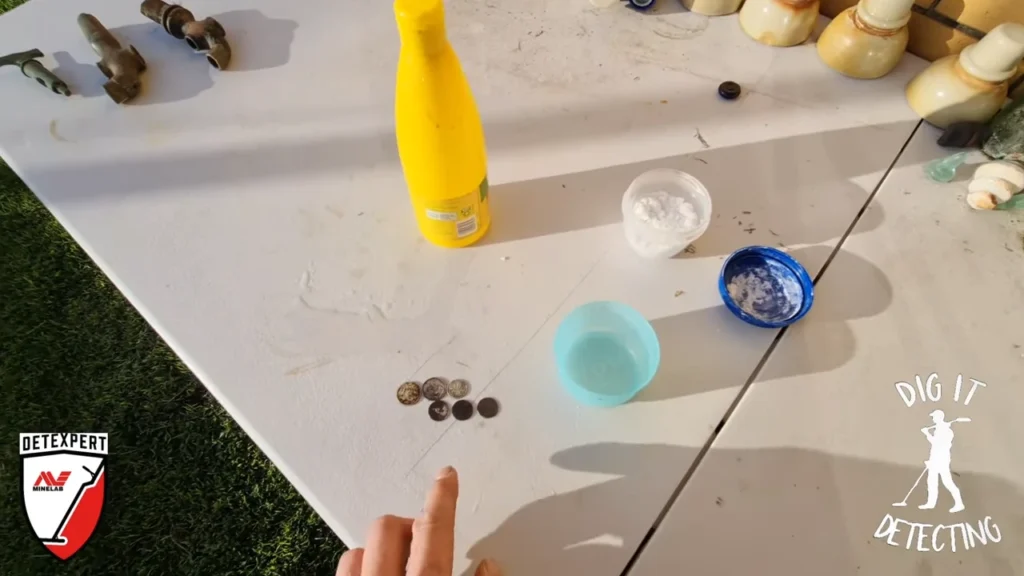
Method 3: Baking Soda Paste (For Tarnished Silver Coins)
Best for: Silver coins with black tarnish (not for rare coins).
- Make a Paste
- Mix baking soda with a few drops of water to form a paste.
- Apply Gently
- Rub the paste on the coin with a soft cloth (not abrasive).
- Avoid harsh scrubbing.
- Rinse & Dry
- Rinse with distilled water and dry immediately.
⚠️ Warning: This method can cause micro-scratches—use only on low-value silver coins.
Method 4: Electrolysis (Advanced, for Rusty Steel/Nickel Coins)
Best for: Iron or steel coins with rust (requires caution).
- Set Up a Battery Charger
- Use a 6V battery charger with baking soda solution.
- Attach the negative lead to the coin and the positive to a stainless steel electrode.
- Run Current for Short Bursts
- Submerge both in the solution and turn on for 5–10 seconds at a time.
- Rust will bubble off—do not overdo it.
- Neutralize & Dry
- Rinse with distilled water and dry immediately.
⚠️ Only for experienced collectors—mistakes can destroy coins!
Advanced Coin Cleaning & Preservation Techniques
While the previous section covered basic cleaning methods, some coins require more specialized approaches. Below, we’ll explore advanced restoration techniques, long-term storage solutions, and professional conservation methods to ensure your antique coins remain in top condition.
Specialized Cleaning Methods for Problem Coins
1. Removing Verdigris (Green Corrosion) from Copper & Bronze Coins
Problem: Copper coins often develop a greenish-blue crust (verdigris), which can spread and damage the coin if untreated.
Method: Ammonia Vapor Treatment (For Severe Cases)
- Materials Needed:
- Household ammonia (non-sudsy)
- Glass jar with lid
- Plastic mesh or non-reactive stand
- Steps:
- Place the coin on a plastic stand inside the jar (do not submerge).
- Pour a small amount of ammonia into the jar (just enough to create fumes).
- Seal the jar and let sit for 30 minutes to 2 hours (check frequently).
- Remove and gently wipe with a soft cloth—repeat if needed.
- Neutralize by rinsing in distilled water and drying immediately.
⚠️ Warning: Ammonia is harsh—use only on heavily corroded, low-value coins.
2. Removing PVC Residue (Sticky Green Film)
Problem: Coins stored in PVC plastic holders develop a sticky green film that can etch the surface.
Method: Acetone Soak (Safe for Most Metals)
- Materials Needed:
- Pure acetone (100%, no additives—nail polish remover is not suitable)
- Glass container
- Latex gloves
- Steps:
- Submerge the coin in acetone for 10–30 minutes.
- Gently rub with a cotton swab to remove residue.
- Rinse with distilled water and dry.
✔️ Why It Works: Acetone dissolves PVC without harming metal.
3. Treating Bronze Disease (Active Corrosion)
Problem: Bronze disease is a recurring, powdery green corrosion that can destroy coins if untreated.
Method: Sodium Sesquicarbonate Soak
- Materials Needed:
- Sodium sesquicarbonate (available online)
- Distilled water
- Plastic container
- Steps:
- Mix 5% sodium sesquicarbonate solution with distilled water.
- Soak the coin for 1–4 weeks, changing the solution weekly.
- After corrosion stops, rinse and dry thoroughly.
🔬 Science Behind It: This alkaline solution neutralizes chloride ions causing the corrosion.
Long-Term Storage & Preservation
Best Storage Materials
| Material | Pros | Cons | Best For |
|---|---|---|---|
| Mylar (Archival) Flips | Non-PVC, inert | Slightly more expensive | High-value coins |
| Coin Capsules (Air-Tite) | Airtight, clear | Bulkier | Display pieces |
| Paper 2×2 Holders | Affordable, easy to label | Not fully sealed | Bulk storage |
| Silica Gel Packs | Reduces humidity | Needs replacement | All storage types |
Storage DON’Ts
❌ PVC Plastic – Causes green film over time.
❌ Cardboard or Newspaper – Acids damage metal.
❌ Bare Hands – Skin oils accelerate tarnish.
When to Consult a Professional
- High-value coins (e.g., ancient, gold, or key-date coins).
- Extensive damage (e.g., deep pitting, bronze disease).
- Authentication/grading (PCGS, NGC, or ANS conservation services).
Professional Conservation Services
- PCGS Restoration – Removes harmful residues without over-cleaning.
- NGC Conservation – Specializes in ancient and rare coins.
- Local Numismatic Experts – Check the American Numismatic Association (ANA) directory.
Final Checklist Before Cleaning Any Coin
- Identify the Metal (copper, silver, gold, etc.).
- Assess Value – If valuable, do not clean.
- Start with the Mildest Method (soap & water first).
- Document Before & After (photos help track changes).
Methods to AVOID
❌ Vinegar or Lemon Juice – Too acidic; can eat away metal.
❌ Steel Wool or Scouring Pads – Will scratch the surface.
❌ Commercial Cleaners (e.g., Brasso) – Can strip patina and value.
❌ Ultrasonic Cleaners – May damage fragile coins.
Final Tips for Preserving Antique Coins
✔️ Handle with cotton gloves to avoid oils from fingers.
✔️ Store in acid-free holders (not PVC plastic).
✔️ Consult a professional for rare or valuable coins.
✔️ When in doubt, don’t clean! Patina often adds historical value.
10 Frequently Asked Questions (FAQs) About Cleaning Antique Coins
1. Is it okay to clean antique coins?
Answer: It depends. While cleaning can remove dirt and improve appearance, improper cleaning can destroy a coin’s value. Collectors and grading services (like PCGS and NGC) prefer uncleaned coins with natural patina. Only clean coins if they are low-value or heavily corroded.
2. What is the safest way to clean an old coin?
Answer: The mildest and safest method is:
- Soak in distilled water + mild dish soap.
- Gently brush with a soft toothbrush.
- Rinse with distilled water and air dry.
Avoid harsh chemicals or scrubbing.
3. Can vinegar clean antique coins?
Answer: No! Vinegar is acidic and can eat away at metal, especially copper and bronze. It may also strip the coin’s natural patina, reducing its value.
4. How do I remove green corrosion (verdigris) from coins?
Answer:
- For light verdigris, soak in olive oil for days/weeks, then gently wipe.
- For severe cases, use an ammonia vapor treatment (but only for low-value coins).
- Never scrape—this can scratch the surface.
5. Will baking soda damage my coins?
Answer: Baking soda can be too abrasive for delicate coins. It’s okay for tarnished silver (if used gently), but avoid it for rare or valuable coins.
6. How do I remove rust from steel or iron coins?
Answer:
- Electrolysis (for advanced users).
- Soak in distilled water + a rust remover like Evapo-Rust (gentler than acids).
- Never use steel wool—it will scratch the coin.
7. Can I use an ultrasonic cleaner on antique coins?
Answer: Not recommended. Ultrasonic cleaners can damage fragile coins and loosen details. They are best left for modern, durable coins.
8. How do I store cleaned coins to prevent future damage?
Answer:
- Use archival-quality holders (Mylar flips, Air-Tite capsules).
- Avoid PVC plastic (causes green film).
- Store with silica gel packs to control humidity.
9. Does cleaning a coin reduce its value?
Answer: Often, yes. Professional numismatists (coin graders) prefer original surfaces. Over-cleaning can make a coin look unnatural and lower its grade.
10. Should I clean a coin before selling it?
Answer: No! Most buyers and grading services prefer coins in their natural state. If a coin is dirty, disclose its condition but let the buyer decide if they want to clean it.
Conclusion
Cleaning antique coins should be done minimally and carefully. For valuable or ancient coins, professional conservation is best. Stick to distilled water, mild soap, and olive oil for safest results.