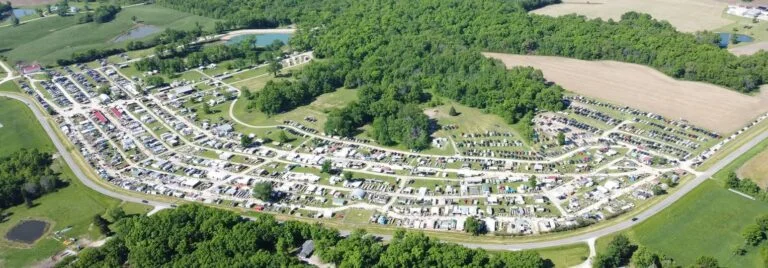
Milton Flea Market stands at the heart of West Virginia’s antique and vintage scene, serving as an essential stop for collectors, weekend shoppers, and buyers exploring the I-64 corridor. As one of the state’s largest year-round markets, it brings together hundreds of vendors offering everything from period furniture and Americana to vintage glassware, primitives, jewelry, ephemera, and hard-to-find Appalachian collectibles. Milton ranks among the most-visited year-round flea markets in West Virginia. For a curated list of the state’s top venues, see the largest flea markets in West Virginia guide.
Conveniently located in Cabell County, about halfway between Huntington and Charleston, the market attracts visitors from across the Tri-State region who come for genuine finds, vendor variety, and the thrill of discovery. Whether hunting for investment-grade antiques, browsing for rustic décor, or planning a first visit, this guide covers its hours, location, vendors, best buys, and practical travel tips for 2026.
Discovering Milton Flea Market: A West Virginia Antique Destination
Milton Flea Market offers an immediately recognisable antique-market atmosphere. The air carries the scent of aged wood, old books, and worn leather, guiding visitors through long aisles filled with primitives, vintage furniture, Americana, and well-preserved regional artifacts. Warm lighting highlights oak dressers, hand-carved bowls, and early kitchenware covered in natural patina. Each booth feels different: some curated, others overflowing with finds that reward slow exploration. Collectors and casual shoppers move with purpose, drawn by constantly changing inventory from indoor dealers and rotating outdoor vendors. Milton’s location along US-60, near the Mud River and Milton town center, reinforces its appeal as a central meeting point for antique buyers across West Virginia. Positioned between Huntington and Charleston, the market blends community, culture, and active buying in a way that few venues in the region can match.
Why Collectors Choose This Market
Collectors appreciate Milton for its steady supply of authentic, estate-sourced antiques. Vendors offer genuine furniture, WV-made glass, primitives, books, jewelry, and regional memorabilia at fair, negotiable prices. Many dealers specialise in niches like Blenko, coal mining artifacts, or Depression glass, helping buyers understand value and provenance. Inventory rotates weekly, making early visits especially productive. A strong local collector community adds to the atmosphere, sharing insights and tips with newcomers. For serious pickers, Milton delivers the right mix of affordability, authenticity, and regular new stock.
What Makes Milton Flea Market Distinct
Milton stands apart because of its scale, diverse sellers, and deep Appalachian roots. Indoor warehouses and outdoor stalls host more than 80 regular vendors offering primitives, antique furniture, militaria, quilts, pottery, and WV memorabilia. The market’s regional character is visible in items like coal mining tools, folk art, and stoneware tied to local history. Its proximity to Blenko Glass Factory strengthens its reputation among glass collectors. The on-site Halfway Market, known for Amish foods and handmade goods, adds a distinctive cultural layer. Combined with year-round operation, Milton functions as a full heritage marketplace rather than a standard flea market.
Milton Flea Market Hours, Location and Contact Details
Milton Flea Market maintains consistent, year-round hours, making it one of West Virginia’s most reliable antique and vintage shopping destinations. Operating every Friday through Sunday, the market offers early openings that appeal to collectors searching for fresh inventory and estate finds. Its highly visible placement along US-60, just minutes from I-64 Exit 28, makes it easy to locate through Google Maps, especially for visitors searching for a flea market along the Huntington-to-Charleston corridor. The main address most commonly used is 1215 US Route 60 E, Milton, WV, though some directories list an alternate number due to the property’s large footprint. In addition to free admission, shoppers benefit from free on-site parking, climate-controlled indoor booths, and accessible entrances.
| Address | 1215 E US Route 60, Milton, WV 25541 |
| Hours | Friday 8 AM–4 PM | Saturday–Sunday 8 AM–5 PM |
| Vendor Count | 80+ regular vendors (indoor and outdoor combined) |
| Store Size | Multi-building layout across approximately 16 acres |
| Admission | Free |
| Parking | Free on-site lot with ADA-accessible spaces |
| Phone | 304-743-1123 |
| Website | No official website maintained; information based on public directory listings |
Current Hours and Seasonal Schedule (2026)
Milton Flea Market operates on a steady three-day schedule throughout the year, with hours that cater to both collectors and casual shoppers. The market opens Friday 8 AM–4 PM and Saturday through Sunday 8 AM–5 PM, offering its fullest inventory and highest vendor turnout on weekends. Seasonal changes do not affect operating hours, but they influence crowd levels: summer draws more outdoor vendors and heavier morning traffic, while winter activity centres on the climate-controlled indoor booths. For antique buyers, the best time to visit is the first hour of opening, when newly stocked primitives, period furniture, glassware, and Americana appear on the floor. Collectors typically avoid late-day Saturday crowds and take advantage of lighter Sundays for quieter browsing.
Exact Address and Google Maps Location
The most reliable address for navigation is 1215 E US Route 60, Milton, WV 25541, though some listings use 16404 US Route 60 due to the market’s multi-building layout. Using “Milton Flea Market” directly in Google Maps provides the most accurate drop pin and highlights its location just off I-64 Exit 28. The market sits approximately 20 minutes from Huntington and 30–35 minutes from Charleston, making it a central antique stop for collectors traveling the I-64 corridor. Its prominent position along US-60, the historic Midland Trail, ensures clear roadside visibility and easy access for both local visitors and out-of-state shoppers exploring Cabell County’s antique route. For updates or vendor inquiries, the market can be reached at 304-743-1123.
Parking Availability and Accessibility
Milton Flea Market offers free on-site parking, with large lots surrounding the indoor warehouses and outdoor vendor fields. Visitors arriving after mid-morning on weekends may need to park farther from the main entrances due to peak crowds. The market maintains ADA-accessible parking spaces, wheelchair-friendly entrances, and accessible restrooms, making it suitable for visitors with mobility needs. Indoor booths feature level flooring that accommodates wheelchairs and carts, while outdoor areas may have uneven terrain. Clearly marked vendor loading zones allow dealers and buyers to transport larger antique items, such as furniture, primitives, or metalware, directly to their vehicles.
Getting to Milton Flea Market: Directions and Nearby Cities
Milton Flea Market is one of the most accessible antique destinations in West Virginia, positioned directly off Interstate 64 at Exit 28 and sitting prominently along US-60 in Milton. This central location places it within quick reach of major cities like Huntington, Charleston, and Barboursville, making it ideal for day trips from across the I-64 corridor. The route is straightforward for first-time travellers: no complex turns, residential detours, or confusing intersections. Collectors from Ohio and Kentucky also find Milton an easy day trip due to its convenient highway access. Because public transportation does not serve the market, most visitors rely on personal vehicles or ride-share services. Free on-site parking, short walking distances, and visible roadside signage ensure a smooth arrival even during busy weekend mornings.
Driving Directions
Reaching Milton Flea Market is straightforward from any direction. From Huntington, take I-64 East for about 20 minutes, exit at Exit 28, and follow US-60 East where the market appears almost immediately on the right. From Charleston, take I-64 West for roughly 25–30 minutes to Exit 28, then merge onto US-60 toward Milton; the market is a short drive from the ramp. Barboursville visitors enjoy the quickest route: simply head 10 miles along US-60 West, with the market on the roadside. Clear signage along I-64 and US-60 makes navigation simple, even for new visitors. To avoid traffic buildup, particularly on Saturdays, aim to arrive before 9:30 AM.
Distance Table: How Far Is Milton Flea Market From You?
| City | Distance | Drive Time | Main Route |
| Huntington, WV | 19–20 miles | 20–25 minutes | I-64 E to Exit 28 to US-60 |
| Charleston, WV | 20–25 miles | 25–30 minutes | I-64 W to Exit 28 to US-60 |
| Barboursville, WV | ~10 miles | 12–15 minutes | US-60 W |
| Teays Valley, WV | ~18 miles | 20–25 minutes | I-64 W to Exit 28 |
| Ashland, KY | ~60 miles | ~1 hour | I-64 E |
Visitors traveling from Charleston may also plan a visit to the South Charleston Antique Mall, a multi-dealer venue located along the I-64 corridor that pairs well with a Milton day trip.
Public Transportation and Parking Tips
There are no practical public transit routes that reach Milton Flea Market, making driving or ride-share the only reliable options. Ride-share users should schedule pickups in advance due to limited availability in rural Cabell County. Parking is one of Milton’s key strengths: the market provides free, on-site parking with spacious lots surrounding the indoor buildings. Accessible parking spots are available near the main entrances, and separate vendor loading areas keep traffic flowing smoothly. Because weekends fill quickly, particularly Saturday mornings, arriving between 8:00 and 9:00 AM ensures closer parking and easier booth access. Bringing a cart or wagon is recommended for buyers planning to transport larger antiques.
What You Will Find at Milton Flea Market
Milton Flea Market offers one of West Virginia’s most diverse selections of antiques and regional collectibles, making it a reliable destination for both casual shoppers and serious collectors. The market features a broad mix of authentic period furniture, ceramics, West Virginia glassware, Americana, coins, jewelry, militaria, books, textiles, and primitive items sourced from local estates. Many booths carry WV-specific memorabilia such as coal scrip, fossils, mining tools, and regional advertising pieces. The on-site Halfway Market expands the experience with Amish-made quilts, small furniture, fresh produce, jams, honey, baked goods, spices, and handmade crafts. This pairing of antique dealers and local artisans creates a shopping environment that blends history, craftsmanship, and heritage, giving visitors a strong sense of Appalachian culture alongside new discoveries each weekend.
Antiques and Period Furniture
Milton Flea Market features furniture ranging from the 1800s through the mid-1900s, including oak dressers, walnut sideboards, Victorian chairs, and farmhouse-style tables. Many pieces display hand-cut joinery, original finishes, and characteristics typical of Appalachian craftsmanship. Shoppers will also find handcrafted Amish furniture through the Halfway Market, offering newly built hardwood pieces that complement the antique selection. The variety makes this market useful for collectors seeking authentic period furnishings or homeowners looking for unique décor with regional character.
Vintage Glassware, Ceramics and China
Milton reflects West Virginia’s strong glassmaking history, with vendors regularly offering Blenko, Pilgrim, Fire-King, Pyrex, Depression glass, milk bottles, and jars. Collectors also encounter pottery and ceramics from brands such as McCoy, as well as stoneware crocks and vintage dinnerware sets. These pieces attract buyers who value regional provenance, distinctive color patterns, and collectible eras tied to WV’s industrial glass heritage. Inventory rotates frequently, rewarding repeat visits.
Americana and West Virginia Memorabilia
Many booths specialise in items tied to both national and local history. Shoppers can find vintage signs, folk art, coal scrip, fossils, and mining-related memorabilia that reflect West Virginia’s industrial past. Vendors often share background information about the pieces they sell, helping collectors understand provenance and cultural relevance. Additional Americana items, including flags, hardware, promotional items, and regional advertising artifacts, offer strong additions for state-focused collections. For a broader overview of antique shopping across the state, see the complete guide to antique stores in West Virginia.
Jewelry, Coins and Militaria
Milton hosts several specialty dealers offering estate jewelry, silver pieces, amber jewelry, vintage watches, and mid-century costume collections. Coin collectors will find silver dollars, proof sets, gold and silver currency, and other numismatic items. Militaria vendors provide medals, badges, patches, and service-related memorabilia connected to West Virginia families and regional history. This category appeals to collectors seeking small-format items with strong historic or personal significance.
Textiles, Rugs and Heritage Items
Textile booths feature handmade quilts, woven rugs, linens, handbags, and decorative home goods, many created in Appalachian or Amish traditions. Amish quilts available through the Halfway Market stand out for their color patterns and fine hand-stitching. Other vendors offer vintage linens, doilies, clothing, and estate textiles tied to WV homemaking traditions. These items appeal to shoppers seeking functional and decorative pieces rooted in regional craftsmanship.
Books, Ephemera and Paper Collectibles
Collectors of paper goods will find postcards, letters, maps, deeds, photographs, brochures, and vintage records that document West Virginia’s cultural and historical landscape. Some booths include books, magazines, and media, but the strongest interest lies in ephemera with documented local relevance. These affordable, easy-to-display items make excellent additions for collectors focused on genealogy or WV history.
Food Vendors and Local Craft Stalls
Milton’s food and craft vendors add a community atmosphere to the market. The Halfway Market offers Amish produce, cheeses, meats, bulk foods, jams, honey, apple butter, and baked goods such as cream horns, fudge, cookies, and nostalgic candies. The covered snack bar area provides seating for visitors taking a break between booths. Local artisans sell handmade crafts, pottery, candles, plants, and seasonal décor, creating a well-rounded shopping experience that pairs regional food traditions with local craftsmanship.
Milton Flea Market for Collectors: Specialty Buying Guide
Milton Flea Market is a productive destination for collectors seeking authentic antiques tied to West Virginia’s cultural history. Success here depends on strategy: arriving early, knowing your niche, and building relationships with trusted vendors. The market’s blend of long-time dealers, estate-sale sellers, and rotating outdoor vendors creates ideal conditions for sourcing undervalued or rare items. Collectors often focus on WV specialties such as Blenko glass, Appalachian primitives, coal mining scrip, and family-passed textiles, which frequently appear from regional estate cleanouts. Cash is highly recommended, as it strengthens bargaining power and facilitates quicker deals, especially with outdoor vendors. Engaging in conversations with sellers often yields insights into provenance, local auction activity, and upcoming inventory. With repeat visits and consistent networking, collectors gain early access to valuable pieces before they reach broader markets.
Building Collections
Successful collecting at Milton starts with specialisation, whether in Appalachian furniture, WV glass, early advertising, or mining memorabilia. Focusing on niche categories helps collectors quickly identify authentic pieces and avoid overpaying. Arriving at opening time (8:00 AM) significantly increases the chance of finding high-value items before they are sold. Cash is an advantage, often securing better prices and smoother negotiations. Exploring both indoor booths and the ever-changing outdoor vendor section is essential, as rare finds often appear in unpredictable locations. Returning regularly and speaking with vendors helps collectors learn local history, vendor specialties, and estate-sale opportunities across West Virginia.
Sourcing Rare Pieces in WV
West Virginia’s strong heritage in glassmaking, mining, and handcrafted furniture provides collectors with distinctive opportunities at Milton. Rare pieces often surface from regional estate sales and auctions, making early weekend arrivals important. Vendors specialising in Blenko or Pilgrim glass, coal scrip, fossils, or primitive furniture can provide insights into authenticity and provenance. Outdoor stalls, often staffed by part-time or rotating sellers, are known for unexpected bargains. Visiting the adjacent Halfway Market can also reveal Amish-made quilts and furniture that are highly collectible in other regions. Combining market visits with estate-sale tracking greatly increases the chances of securing rare, WV-specific items.
Networking with Local Dealers
Milton’s dealer community thrives on relationships, making networking a productive part of the collector experience. Talking with vendors about their items builds trust and often leads to tips on new inventory or upcoming estate cleanouts. Asking for business cards or contact details helps collectors stay connected to sellers who specialise in their preferred categories. Buying multiple items from one vendor can justify a bundled discount, strengthening rapport. Consistent visits help collectors become recognisable to dealers, who may then set aside pieces or offer early access to items before they reach the booth floor.
Best Things to Buy at Milton Flea Market
Milton Flea Market offers one of the most diverse antique inventories in West Virginia, making it a productive destination for collectors searching for investment pieces, regional memorabilia, and budget-friendly décor. High-demand items include Americana signs, primitive furniture, Mid-Century Modern pieces, cast iron cookware, and estate jewelry, all categories with consistent buyer interest and strong resale value. WV’s deep glassmaking heritage is reflected in abundant Blenko and Pilgrim Glass items, along with vintage jars, bottles, and classic dinnerware. Collectors also hunt for Appalachian folk art, coal mining scrip, fossils, and handmade quilts, regional finds not commonly available outside West Virginia. For casual shoppers, Milton provides strong value on décor, tools, books, clothing, and throwback candies. Seasonal booths highlight Christmas ornaments, holiday ceramics, and greenhouse plants during warmer months.
High-Demand Antiques
Milton is known for categories that consistently draw serious collectors: primitive furniture, Mid-Century Modern pieces, estate jewelry, cast iron cookware, and vintage Americana. Trends show steady demand for rustic furniture with original patina, collectible signage, and mid-century décor that suits modern farmhouse and retro design styles. Local interest is reinforced by West Virginia’s woodworking and glassmaking history, which makes Blenko and Pilgrim Glass particularly desirable. Reviewers frequently mention deals such as $15 cast iron skillets worth considerably more elsewhere or vintage signs priced under $20. Items with clear provenance or original finishes tend to appreciate in value, making them suitable for collectors focused on long-term investment.
WV-Specific Collectibles
West Virginia collectibles are among Milton’s most distinctive offerings. These include Blenko and Pilgrim Glass, authentic coal mining scrip, miners’ tags, union badges, and lanterns tied directly to the state’s industrial heritage. Appalachian crafts such as hand-stitched quilts, woven baskets, carved folk art, and handmade handbags reflect regional craftsmanship passed down through generations. Some vendors also carry fossils and natural-history pieces gathered from local terrain. These WV-specific finds carry strong cultural value and are sought after by both locals and visiting collectors seeking pieces that document the history of the Mountain State.
Budget-Friendly Finds
Milton is also known for accessible low-cost items. Weekend shoppers can pick up Depression glass, Pyrex bowls, small primitives, linens, postcards, and books at very reasonable prices. Outdoor vendors frequently offer tools, hardware, car parts, clothing, and general merchandise at yard-sale-style prices, ideal for casual buyers willing to explore. The Halfway Market and snack areas add to the experience, offering throwback candies, homemade fudge, cream horns, cupcakes, and nostalgic sweets at budget-friendly prices. These accessible finds make Milton suitable for shoppers decorating on a budget or searching for everyday vintage items.
Seasonal and Holiday Collectibles
Seasonal booths at Milton offer year-round holiday décor, but fall and winter bring especially strong selections. Collectors will find vintage Christmas ornaments, Santa plates, ceramic villages, holiday signs, and retro light sets. Handmade quilts become more popular in the cooler months, while autumn-themed ceramics and Halloween décor appear seasonally. The Halfway Market’s greenhouse adds spring and summer interest with perennials, annuals, and decorative flower baskets. Because holiday items sell quickly, early Saturday visits are recommended during peak months when crowds increase and the most desirable pieces move fast.
How to Shop Smart at Milton Flea Market
Shopping smart at Milton Flea Market means combining preparation, careful inspection, and respectful negotiation to secure authentic, fairly priced antiques. Because inventory often comes from West Virginia estates and long-time collectors, buyers should understand age indicators such as natural patina, joinery style, and period-correct hardware. Always inspect for structural issues or modern repairs, especially given the region’s humidity, which can affect wood and textiles. Provenance adds significant value, so check for maker’s marks, labels, or documentation when available. Bring cash, as many vendors prefer it and offer better deals for bundled purchases. Photography is also essential: clear images of marks, wear, and construction details help with later verification and comparison.
Spotting Reproductions
Spotting reproductions requires attention to patina, construction, and hardware. Genuine antiques display uneven aging: natural UV fading, darkening from hand oils, and wear in hidden areas. Artificial distressing often looks uniform or overly clean. Inspect joinery for hand-cut dovetails or irregular carving; machine-cut joints indicate newer construction. Check hardware for slotted screws and hand-forged nails rather than modern Phillips-head screws. A small magnet can quickly rule out fake silver pieces, since authentic silver is not magnetic. In West Virginia, be cautious of mass-produced primitive-style décor meant to mimic true Appalachian antiques.
Assessing Condition
Assessing condition helps avoid overpriced or heavily restored pieces. Examine furniture for cracks, wobbling legs, separated joints, or signs of modern glue repairs. Surface refinishing that appears overly smooth may indicate restoration rather than original finish. West Virginia’s humidity can cause wood swelling, mildew staining, or rusted metal hardware, issues that add authenticity but also impact durability and value. For textiles, inspect stitching, edges, and backing for fading or moth damage. When damage is present, ensure the asking price reflects the cost of future repairs or conservation.
Provenance and Maker’s Marks
Provenance greatly increases an item’s historical and monetary value. Look for maker’s marks, hallmarks, stamped signatures, or original labels on the underside or back of furniture, pottery bases, or metal surfaces. Photograph the marks and compare them online while browsing. West Virginia collectibles such as Blenko or Pilgrim Glass often include etched signatures or foil labels that confirm authenticity. When possible, ask vendors about an item’s estate origin or family history. Reputable sellers are generally transparent and happy to share context.
Negotiation Strategies
Negotiation is welcomed at Milton and works best when respectful. Start with a friendly approach and ask, “What’s the best you can do on this?” rather than offering an unreasonably low number. Bringing cash increases bargaining power, as most vendors prefer quick, fee-free transactions. Begin slightly below your limit to leave room for a fair compromise. Bundling multiple items often earns discounts. If the price isn’t right, politely walking away sometimes prompts a better offer, particularly later in the day when vendors prefer not to pack heavy items.
Photography Tips
Photography is an essential tool for making confident purchase decisions. Ask permission before taking photos, then capture close-ups of maker’s marks, wear patterns, hardware, and construction joints. Step into natural light or use your phone’s flashlight to accurately show colors and patina. Photographing several angles helps when comparing items across booths or verifying authenticity later. Keep images labelled by booth number so you can return to promising finds without retracing the entire market.
How to Become a Vendor at Milton Flea Market
Becoming a vendor at Milton Flea Market is a practical opportunity for local sellers, antique dealers, and hobbyists looking to reach West Virginia’s active collector community. The market offers both indoor booths for year-round selling and outdoor spaces suited to weekend vendors. Since booth pricing and availability change seasonally, new sellers should contact market management directly for current rates and space options. Past vendor listings indicate a mix of small outdoor spaces, covered front-row stalls, and larger indoor booths suited for furniture dealers.
Vendors should also understand what sells best, how to design an effective booth, and which West Virginia tax rules apply. Most sellers must obtain a WV Business Registration Certificate and collect sales tax on eligible goods. Direct selling is the most common model at Milton, offering immediate payment and full control over pricing, display, and inventory.
Booth Rental Costs and Sizes
Booth sizes and pricing vary, but Milton Flea Market typically offers several space types, including small outdoor setups, covered front-row stalls, and larger indoor booths. Earlier vendor listings indicate outdoor spaces around 10×10 or 12×12 feet rented at affordable day or weekend rates, while larger spaces, sometimes 16×18 feet or more, have historically been available for low weekend fees. Indoor booths tend to have waiting lists due to higher traffic and weather protection. Because availability can shift quickly, prospective vendors should contact management as early as possible.
What Sells Best
Milton Flea Market buyers consistently seek items tied to West Virginia’s cultural heritage. Local glassware (Blenko, Pilgrim), antique furniture, primitive décor, jewelry, and general Americana remain strong sellers. Outdoor buyers often gravitate toward tools, hardware, and upcycled furniture, while indoor booths see steady demand for curated antiques and collectibles. Food and specialty items from the on-site Halfway Market also attract steady traffic, increasing exposure for nearby booths.
Display and Lighting Tips
A strong booth display is important for attracting customers at Milton’s high-traffic weekend markets. Use vertical height with shelves, crates, and risers to highlight antiques and avoid flat table layouts. Keep merchandise neat and organised so shoppers can browse easily. Tablecloths improve presentation, while canopies help outdoor vendors manage sun and weather. Lighting matters: clip-on LEDs, warm bulbs, or small spotlights can make glassware, jewelry, and patina-rich antiques stand out. Grouping complementary pieces creates mini-vignettes that suggest how items fit into a home. Refreshing your display regularly encourages repeat shoppers to stop by.
WV Tax Rules and Vendor Permits
Vendors must comply with West Virginia sales tax rules, meaning most sellers need a WV Business Registration Certificate and must collect sales tax on eligible items. Some indoor rental setups may have different tax handling, but outdoor and direct sellers are generally responsible for their own reporting. Requirements vary based on sales volume and business type, so new vendors should confirm details directly with the West Virginia State Tax Department. Maintaining simple sales records ensures smooth compliance.
Consignment vs Direct Selling
At Milton, direct selling is the most common approach because it offers full control over pricing, display, and customer interaction. Sellers receive immediate payment and can adjust inventory quickly based on demand. This model suits antique dealers, pickers, and hobbyists who prefer hands-on selling. Consignment reduces time commitments but also reduces profit margins and control over presentation. Direct selling generally performs best in Milton’s active, high-traffic vendor community.
Milton Flea Market History and Community Legacy
Founded in 1988 by local entrepreneur Boyd Meadows, Milton Flea Market grew from a six-acre former tomato field into one of West Virginia’s most recognised antique and vendor destinations. Meadows, who previously launched the Halfway Market in 1970, expanded the flea market from a single 350-foot building into multiple structures housing more than 100 vendors at its peak. The market quickly became a community hub, attracting weekend crowds of up to 10,000 shoppers and supporting generations of small businesses. Its history includes overcoming major setbacks, including the devastating 2008 fire that destroyed most original buildings. The market rebuilt with strong local support, reinforcing its role as a cultural anchor in Milton.
Origins and Growth
Milton Flea Market began in 1988 when Boyd Meadows transformed a former tomato field into a growing vendor hub. What started as one long building soon expanded into several structures, accommodating more than 100 vendors across indoor and outdoor spaces. Meadows’ earlier success with the Halfway Market, established in 1970, helped build the location as a reliable commercial centre for fresh foods, plants, antiques, and collectibles. As word spread, the market evolved into a tri-state destination, drawing visitors from West Virginia, Kentucky, and Ohio.
2018 Fire: Facts and Recovery
On June 25, 2018, a small fire affected two outdoor vendor areas at Milton Flea Market. Quick action by the Milton Fire Department contained the blaze before it reached the main buildings. Vendors rebuilt their areas, and the market reopened the same week. This event echoed a more devastating fire in 2008, which destroyed most of the original market. Founder Boyd Meadows led a committed rebuilding effort supported by the community and long-time vendors. These recoveries demonstrate the market’s resilience and its importance as a local institution.
Halfway Market vs Milton Flea Market
The Halfway Market, founded in 1970, and Milton Flea Market, opened in 1988, operate on the same 16-acre property but serve different purposes. The Halfway Market offers Amish goods, fresh produce, baked items, bulk foods, plants, and handmade quilts, reflecting its roots as a greenhouse and produce market. Milton Flea Market focuses on antiques, collectibles, crafts, tools, furniture, and vendor-run merchandise. Visitors often explore both during a single trip, benefiting from the combined experience of fresh foods and antique buying in one destination.
Role in Local Economy
Milton Flea Market functions as a small-business incubator, allowing vendors to start or grow businesses without the cost of a traditional storefront. Many sellers rely on weekend income from the market as a primary or supplemental livelihood. The market draws thousands of visitors, generating revenue not only for vendors but for nearby restaurants, gas stations, and shops. Its ability to rebuild after fires has strengthened community unity, demonstrating its value beyond commerce. For Milton, the market remains a cultural and economic institution that keeps local traditions and small-town entrepreneurship active.
Milton Area Attractions
Milton offers plenty to explore beyond the flea market, making it a productive stop for an antique day trip in Cabell County. The town features several additional antique shops, family attractions, and locally known restaurants, all within a short drive of the market. Visitors can build a full itinerary by pairing Milton Flea Market with Main Street vintage shops, Blenko Glass Company, or nearby parks. Its location along US-60 also makes it easy to extend a trip into Huntington or Barboursville for more antiquing and dining options.
Other Antique Shops Nearby
Milton is surrounded by several notable antique stops that complement a flea market visit. The Old Timey Shop Antique Mall at 1029 N Main St offers a large interior with vintage furniture, pottery, linens, and an extensive selection of West Virginia-made glassware. Just steps away, Memory Lane Antiques at 1025 Main St provides additional browsing for glass collectors. A short walk down Main Street, Vintage Treasures at 998 E Main St features two floors of antiques and decorative items. Two Crows Antique Mall in West Virginia is another multi-vendor destination worth adding to a regional antique route for collectors based in the western part of the state. For an all-week option, the Huntington Peddlers Mall, 20 minutes west, offers a multi-vendor antique environment open seven days a week.
Local Restaurants
Milton has several nearby restaurants for taking a break between antique stops. Shonet’s Country Café on Perry Morris Square is a local choice for homestyle comfort food and hearty portions. For Italian dishes and handcrafted cocktails, visitors enjoy La Banca on Main Street, often noted as a well-regarded local spot. Just minutes from the flea market, Gino’s Pizza and Spaghetti House offers quick, familiar meals ideal for a fast lunch. These options give shoppers convenient places to refuel without leaving the Milton area, making it easy to continue exploring local antique shops afterward.
Family Activities and Landmarks
Milton offers several family-friendly attractions that pair well with a flea market trip. April Dawn Park at 1201 Smith St features a playground, splash area, and green space. Nearby Pumpkin Park, home of the West Virginia Pumpkin Festival, offers seasonal events and photo opportunities near the historic Mud River Covered Bridge. Just minutes away, Blenko Glass Company allows visitors to watch live glassblowing and explore one of the nation’s most established handmade glass studios. For a larger outing, Heritage Farm Museum and Village in Huntington provides interactive exhibits, artisans, and outdoor activities suited to families exploring Cabell County.
Frequently Asked Questions
Visitors often search for quick, practical details before planning a trip to Milton Flea Market. These FAQs address common queries about hours, accessibility, payments, vendors, pets, and what to expect.
Q1: What are Milton Flea Market’s hours?
The market operates year-round, open Friday 8 AM–4 PM and Saturday through Sunday 8 AM–5 PM. It remains closed Monday through Thursday.
Q2: Is there an admission or parking fee?
No. Admission is free, and the market provides ample on-site parking at no cost, including ADA-accessible spaces.
Q3: What types of items can I find?
Expect antiques, primitives, WV glassware (Blenko, Pilgrim), vintage furniture, estate jewelry, coins, tools, books, and Amish-made goods from the on-site Halfway Market.
Q4: Are food vendors available?
Yes. The Halfway Market offers baked goods, produce, jams, cheeses, and bulk foods. A snack bar in the covered area provides quick meal options.
Q5: Is the market accessible for people with disabilities?
The property features wheelchair-accessible entrances, restrooms, and parking, along with wide indoor aisles that accommodate mobility devices.
Q6: What is the Halfway Market?
A separate but connected Amish-style market specialising in fresh foods, baked goods, and handcrafted items. Many visitors explore both markets in one trip.
Q7: Can I become a vendor?
Yes. Contact the management via phone or directory listing for current booth pricing, availability, and WV tax/permit requirements.
Q8: Do vendors accept cards, or should I bring cash?
Some indoor vendors take cards, but cash is preferred and generally results in smoother negotiations and better deals.
Q9: Are pets allowed at the market?
Pets are generally welcome in outdoor areas with a leash. Service animals are allowed throughout the property.
Conclusion
Milton Flea Market remains one of West Virginia’s most consistent destinations for antique buyers, families, and casual shoppers. Its blend of authentic Appalachian antiques, rotating vendor inventory, and the Amish-run Halfway Market creates a shopping experience grounded in local history. With free parking, year-round hours, and a community-oriented atmosphere, it is a practical weekend stop for anyone exploring Cabell County or traveling between Huntington and Charleston. Whether hunting rare WV glass, sourcing primitives, or spending a day out, Milton Flea Market delivers a genuinely West Virginian buying experience.
For more antique destinations across the Mountain State, visit the West Virginia antique stores hub for a full directory of malls, flea markets, and shopping destinations by city. To explore guides covering antique stores, flea markets, and vintage markets across the United States, browse the antique shopping blog. For the full platform covering every state and region, start at the Antique Stores Near Me homepage.