Antique warehouses are more than just places to shop; they’re destinations where the past comes alive. Whether you’re searching for a statement piece for your home or simply browsing for inspiration, these warehouses invite you to explore history in a hands-on way. In this article, we’ll take you on a journey through the world of antique warehouses in the USA, uncovering their history, types, and the hidden gems they hold. We’ll also share tips for making the most of your visit and highlight why these spaces are worth exploring.
Step into an antique warehouse, and you’re stepping into a time machine. These sprawling spaces are filled with relics from the past, each with its own story to tell. From vintage furniture to retro collectibles, antique warehouses offer a treasure trove for history buffs and bargain hunters alike. But what exactly is an antique warehouse? Simply put, it’s a large space—often a repurposed factory or storage building—where antiques are stored, displayed, and sold. These warehouses can range from cozy, curated shops to massive emporiums spanning tens of thousands of square feet, housing everything from rare heirlooms to quirky oddities.
A Brief History of Antique Warehouses
The rise of antique warehouses can be traced back to the post-World War II era, a time when America’s booming economy fueled a growing interest in collecting antiques. As more people had disposable income to spend on unique, nostalgic items, the demand for antiques surged. Small antique shops, once sufficient for local collectors, could no longer accommodate the sheer volume of goods or the influx of customers. Thus, the antique warehouse was born—a larger, more expansive venue where dealers could showcase their collections under one roof.
These warehouses often found homes in repurposed industrial buildings, such as old factories or storage facilities, which provided the vast square footage needed to house extensive inventories. Over time, antique warehouses became hubs of activity, drawing collectors, designers, and curious visitors from across the country. Today, they stand as monuments to America’s love affair with the past, preserving history while offering a unique shopping experience.

Types of Antique Warehouses
Not all antique warehouses are created equal. While some focus on specific niches, others embrace a more eclectic mix. Here are the main types you’ll encounter:
- Specialty Warehouses: These warehouses hone in on particular categories, such as mid-century modern furniture, Victorian-era decor, or vintage lighting. If you’re hunting for something specific—like a rare Art Deco lamp or a farmhouse dining table—these warehouses are your best bet.
- General Antique Warehouses: For those who love variety, general warehouses offer a smorgasbord of antiques from different periods and styles. You might find a 19th-century armoire next to a 1950s jukebox, creating a delightful mishmash of history.
- Owner-Operated Warehouses: Run by a single person or family, these warehouses often reflect the owner’s personal taste and expertise. They tend to have a curated feel, with carefully selected pieces that tell a cohesive story.
- Dealer Cooperatives: In these warehouses, multiple dealers rent space to sell their wares, creating a diverse marketplace under one roof. Each booth or section is like a mini-shop, offering a wide range of antiques and collectibles.
No matter the type, each warehouse has its own personality, making every visit a unique adventure.
Notable Antique Warehouses in the USA
The USA is home to some truly remarkable antique warehouses, each with its own claim to fame. Here are a few standouts:
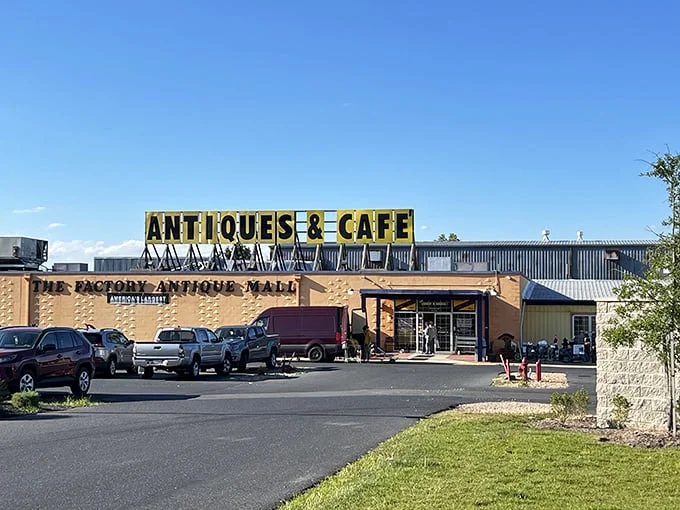
- The Factory Antique Mall (Verona, Virginia): Known as the largest antique mall in America, this behemoth spans over 50,000 square feet and houses hundreds of dealers. From vintage Pyrex to primitive decor, it’s a must-visit for any antique enthusiast.
- The Antique Warehouse Hudson NY (Hudson, New York): With 40,000 square feet of space, this owner-operated warehouse is a destination in itself. It offers a vast selection of furniture, lighting, architectural salvage, and decorative accessories from every style and period.
- Williamsburg Antique Mall (Williamsburg, Virginia): Conveniently located near historic Williamsburg, this 45,000-square-foot mall features over 300 dealers. It’s a treasure trove of furniture, jewelry, and collectibles, with something for every taste and budget.
- Antique Mall of America (Las Vegas, Nevada): Don’t let the name fool you—this 43,000-square-foot warehouse is a global hub for antiques and collectibles. It’s a favorite among international shoppers and boasts rare items like collectible badges and antique pocket watches.
These warehouses are just the tip of the iceberg. Across the country, from small towns to big cities, antique warehouses are waiting to be explored.
Tips for Visiting Antique Warehouses
Ready to embark on your own antique adventure? Here are some tips to make the most of your visit:
- Wear Comfortable Shoes: You’ll be doing a lot of walking—some warehouses span multiple floors or even entire city blocks. Comfort is key.
- Bring a Tape Measure: If you’re shopping for furniture, make sure it fits your space. A quick measurement can save you from a costly mistake.
- Don’t Be Afraid to Haggle: Many dealers are open to negotiation, especially if you’re buying multiple items or paying in cash.
- Take Your Time: Antique warehouses are meant to be explored slowly. Give yourself plenty of time to wander, discover, and appreciate the stories behind the items.
- Ask Questions: Dealers are often passionate about their wares and love sharing their knowledge. Don’t hesitate to ask about an item’s history or provenance.
Remember, part of the fun is the hunt. You never know what hidden gem you might uncover.
Benefits of Shopping at Antique Warehouses
Why choose an antique warehouse over a smaller shop or online marketplace? Here are a few reasons:
- Unmatched Selection: With thousands of items under one roof, warehouses offer a wider variety than most small shops. You can compare pieces side by side and find exactly what you’re looking for.
- Unique Finds: Antique warehouses are treasure troves of one-of-a-kind pieces. Whether it’s a rare vintage sign or a handcrafted piece of furniture, you’re unlikely to see the same item twice.
- Sustainability: Buying antiques is a form of recycling. By giving new life to old items, you’re reducing waste and supporting a more sustainable lifestyle.
- Supporting Small Businesses: Many warehouses are home to independent dealers who rely on these spaces to showcase their collections. Your purchase helps keep their passion alive.
Shopping at an antique warehouse isn’t just about acquiring things—it’s about connecting with history and supporting a community of collectors and dealers.
Why Antique Warehouses Are Worth Exploring
In a world of mass-produced goods and fleeting trends, antique warehouses offer something timeless. They’re places where history is tangible, where every item has a story, and where the thrill of discovery is around every corner. Whether you’re a seasoned collector, a casual browser, or someone looking to add a touch of character to your home, these warehouses provide an experience like no other.
So, lace up your walking shoes, grab a tape measure, and prepare to be amazed. The stories of the past are waiting to be uncovered—and who knows? You might just find a piece of history to call your own.
The Economic Impact of Antique Warehouses
Antique warehouses play a significant role in revitalizing local economies. Often housed in repurposed industrial buildings—like old factories or storage facilities—these spaces breathe new life into structures that might otherwise face neglect or demolition. This adaptive reuse preserves architectural history while transforming forgotten areas into bustling commercial hubs.
The economic ripple effects are substantial. Antique warehouses create jobs, from dealers and staff to restoration experts, and draw visitors who boost nearby businesses such as cafes, restaurants, and hotels. Many operate as dealer cooperatives, where individual sellers rent booth space, fostering entrepreneurship by providing small business owners a platform to thrive without the burden of maintaining a standalone shop. When you shop at an antique warehouse, you’re not just acquiring a unique item—you’re supporting a network of local livelihoods and contributing to the economic vitality of the surrounding community.
Preserving History Through Antiques
Beyond commerce, antique warehouses serve as informal museums, safeguarding America’s cultural heritage. Each piece—be it a weathered farmhouse table, a delicate Victorian teacup, or a bold mid-century lamp—offers a glimpse into the past, reflecting the lifestyles, craftsmanship, and aesthetics of bygone eras. Unlike traditional museums, where artifacts are often untouchable, these warehouses allow you to interact with history, whether by running your hand along a carved wooden chair or taking a piece home to cherish.
This accessibility makes history feel alive and personal. For enthusiasts and casual visitors alike, antique warehouses provide an immersive way to connect with the stories embedded in everyday objects, ensuring that the tangible remnants of American life endure for future generations.
The Social Side of Antique Warehouses
Antique warehouses are more than places to buy and sell—they’re community hubs where people connect over a shared passion for the past. Many host events such as antique fairs, appraisal days, or hands-on workshops on topics like furniture restoration or vintage jewelry care. Some even feature on-site cafes or lounges, inviting visitors to relax and swap stories about their finds.
These social elements create a sense of belonging, particularly for collectors who might otherwise pursue their interests in solitude. Whether you’re attending a lecture, striking up a conversation with a knowledgeable dealer, or meeting fellow enthusiasts, antique warehouses foster relationships and build communities rooted in a love of history and discovery.
Sustainability and Antique Shopping
In today’s world of mass production and disposable goods, antique warehouses offer a sustainable alternative that’s both eco-friendly and enduring. Shopping for antiques is a form of recycling—by giving new purpose to old items, you reduce waste and lessen the demand for new manufacturing, which often involves significant resource consumption and environmental harm.
Moreover, antiques are typically crafted with durability in mind. Unlike many modern products designed to be replaced quickly, these pieces have already proven their longevity. A solid oak dresser from the 1920s or a cast-iron skillet from the early 20th century can outlast their contemporary counterparts, making them not only greener choices but also timeless investments for your home.
How to Start Collecting Antiques
For newcomers, the idea of collecting antiques might seem intimidating, but it’s an enriching journey that anyone can begin. Here’s how to take your first steps:
- Start Small and Specific: Choose a category that sparks your interest—vintage postcards, antique glassware, or mid-century ceramics, for example. Narrowing your focus helps you build expertise without feeling overwhelmed by the vastness of options.
- Educate Yourself: Research your chosen niche using books, online forums, or the expertise of warehouse dealers. Understanding what makes an item valuable—like rarity, condition, or historical significance—enhances your confidence and enjoyment.
- Inspect with Care: When browsing, examine pieces closely for wear, damage, or repairs, as these affect both value and longevity. Ask dealers about an item’s history or provenance to deepen your understanding.
- Preserve Your Finds: Once home, protect your collection by storing items away from direct sunlight, using proper cleaning techniques (gentle soap for ceramics, wood polish for furniture), and handling them with care.
- Grow Gradually: Collecting is a patient pursuit. Seek out pieces that resonate with you personally, and savor the process of curating a collection that reflects your tastes and tells your own story.
The beauty of collecting lies in the hunt and the connections you forge with each piece—there’s no rush to fill your shelves overnight.
10 frequently asked questions (FAQs) for Antique Warehouses in the USA:
1. What is an antique warehouse?
An antique warehouse is a large facility that houses and sells vintage and antique items, including furniture, collectibles, artwork, and historical artifacts.
2. How do I find reputable antique warehouses in the USA?
You can find reputable antique warehouses by searching online directories, checking customer reviews, visiting antique trade shows, or joining antique collector groups.
3. What types of antiques can I expect to find in a warehouse?
Antique warehouses typically offer a variety of items, including vintage furniture, jewelry, art, books, glassware, and rare collectibles. The selection depends on the specific warehouse.
4. Are prices at antique warehouses negotiable?
Yes, many antique warehouses allow for price negotiation, especially on high-ticket items. However, some dealers have firm pricing policies.
5. Do antique warehouses offer shipping services?
Some antique warehouses provide shipping options for domestic and international buyers, while others may require you to arrange transportation.
6. How can I verify the authenticity of antiques?
To verify authenticity, look for provenance, maker’s marks, or certificates of authenticity. Consulting with a professional appraiser can also help.
7. Are there any famous antique warehouses in the USA?
Yes, some well-known antique warehouses include the Brimfield Antique Show (Massachusetts), Scott Antique Markets (Georgia & Ohio), and Round Top Antiques Fair (Texas).
8. Do antique warehouses buy antiques from individuals?
Many antique warehouses purchase antiques from individuals, estate sales, and auctions. It’s best to contact them in advance with details about your items.
9. Can I visit an antique warehouse without buying anything?
Yes, most antique warehouses welcome visitors to browse without any obligation to buy. They often encourage customers to explore and learn about antiques.
10. How do I care for and preserve antiques purchased from a warehouse?
To preserve antiques, store them in a climate-controlled environment, avoid direct sunlight, use proper cleaning methods, and handle delicate items with care.
Would you like me to refine or add anything specific?
Conclusion: A Timeless Adventure Awaits
Antique warehouses in the USA are gateways to the past with far-reaching impacts. They bolster local economies, preserve cultural legacies, foster community, promote sustainability, and invite newcomers to join a rewarding hobby. Whether you’re drawn by the thrill of uncovering a hidden gem, the satisfaction of supporting small businesses, or the joy of owning something with a story, these warehouses offer an experience that transcends ordinary shopping.
So, next time you’re near an antique warehouse, step inside. Wander the aisles, chat with dealers, and let the past unfold before you. You might leave with a treasure—or simply a newfound appreciation for the enduring charm of history.